

The climate crisis, animal welfare, and human health are often at the forefront of the plant-based conversation. But a new study from Oxford University adds another layer — jobs.
According to research published in The Lancet Planetary Health, changing what we eat could transform how millions of people earn a living. The numbers are staggering: adopting plant-based diets could create up to 56 million new jobs while reducing global labor costs by nearly $1 trillion per year.
A First Look at the Study
The study comes from Oxford’s Environmental Change Institute, led by Dr. Marco Springmann. It’s the first global model to link diet change directly with employment.
Researchers analyzed 179 countries and simulated what would happen if the world shifted away from animal-based diets toward flexitarian, vegetarian, or vegan eating. They measured the labor needed for crops, livestock, and food processing in each region.
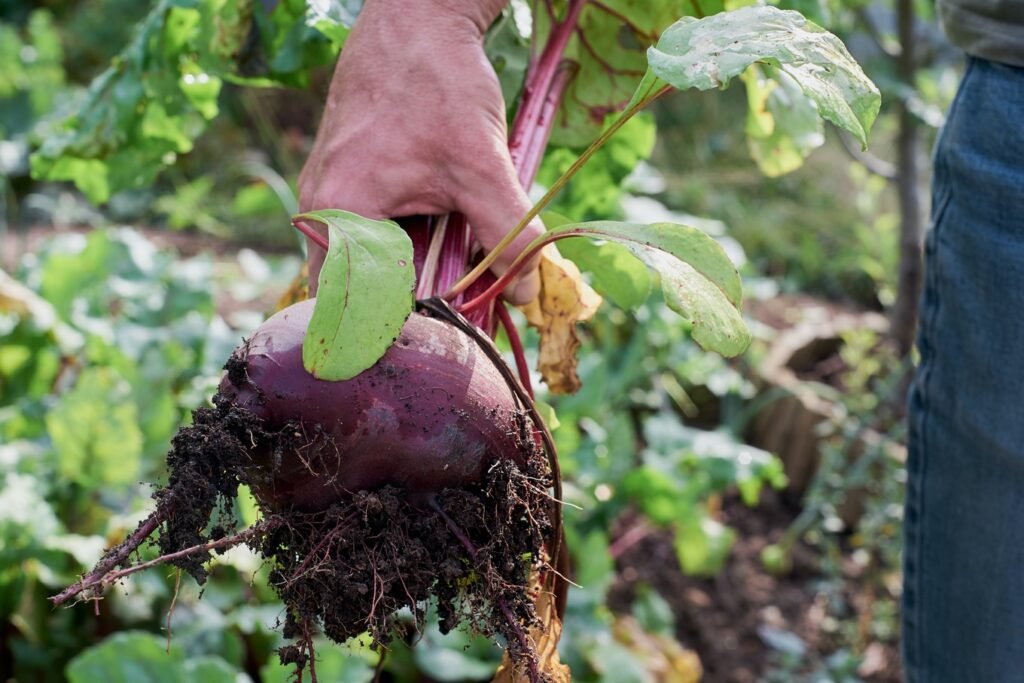
Their conclusion? The global agricultural workforce could shrink by up to 28 percent by 2030 — that’s around 18 to 106 million full-time jobs disappearing from animal farming, feed production, and slaughter industries. But at the same time, horticulture would boom. Producing more fruits, vegetables, legumes, and nuts could create 56 million new jobs.
And because plant-based systems are generally less labor-intensive and more efficient, total labor costs could drop between $290 billion and $995 billion per year. That’s roughly 0.2 to 0.6 percent of global GDP.
Winners and Losers in the Transition
This shift doesn’t mean mass unemployment — it means movement. Some industries will shrink while others grow.
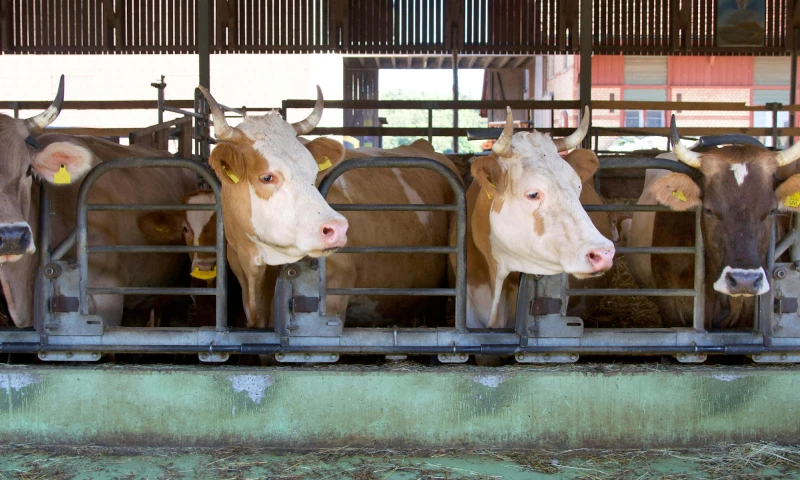
Jobs in livestock farming, feed crop cultivation, and meat processing would decline. But new opportunities would rise in fruit and vegetable farming, plant-protein production, and sustainable food innovation.
Regions heavily dependent on animal agriculture — parts of Latin America, Asia, and Africa — could face disruption unless governments plan ahead. That’s why Springmann stresses the importance of policy: “Dietary change doesn’t just affect our health and the planet—it also has a big impact on people’s livelihoods.”
In other words, we need a just transition — one that helps workers shift from destructive systems to sustainable ones. Retraining, support, and investment in plant-based industries are key.
Why It Matters Beyond Jobs
The environmental payoff is just as significant. Oxford’s team notes that a global move to plant-based diets could free up to 75 percent of current farmland. That land could return to forests and ecosystems, absorbing carbon and restoring wildlife habitats.
It’s a powerful reminder: animal agriculture isn’t just a job system — it’s the biggest land user on Earth. Shifting diets could reduce greenhouse gas emissions dramatically while feeding more people with less land and water.
There’s also a social side. Redirecting subsidies away from meat and dairy toward horticulture could open new opportunities for small farmers, women, and young entrepreneurs in developing countries. A fair transition could bring both ecological recovery and social justice.
Managing the Change
Change is coming, but timing and management will decide who benefits. The Oxford study points out that jobs won’t disappear overnight. What’s needed is planning.
Governments can act now:
- Fund training programs for livestock workers.
- Support infrastructure for fruit, vegetable, and pulse production.
- Incentivize local plant-based food enterprises.
- Develop policies that reward sustainable farming instead of industrial animal production.
Without action, the benefits could cluster in wealthier nations while vulnerable communities fall behind. With good policy, the transition could be one of the biggest green job revolutions in modern history.
The Big Picture
The takeaway is clear: a plant-based future isn’t only better for animals and the planet — it’s also an economic rebalancing act.
We can choose a food system that costs less, employs more people in sustainable sectors, and restores the Earth. What’s on our plate doesn’t just shape our health. It shapes our economy, our workforce, and our shared future.
As the Oxford study shows, eating plants isn’t just a lifestyle — it’s a labor movement for the planet.