

The Perry Barr Greyhound Stadium in Birmingham has held its final race. The last event took place in late August. It closed a chapter that lasted almost one hundred years.
For many people, it felt like the end of an era. For animal advocates, it felt like long-awaited progress.
Racing first began in the area in 1929 at the old Birchfield track. Years later, it moved to Perry Barr, where it became one of the busiest greyhound venues in the region.
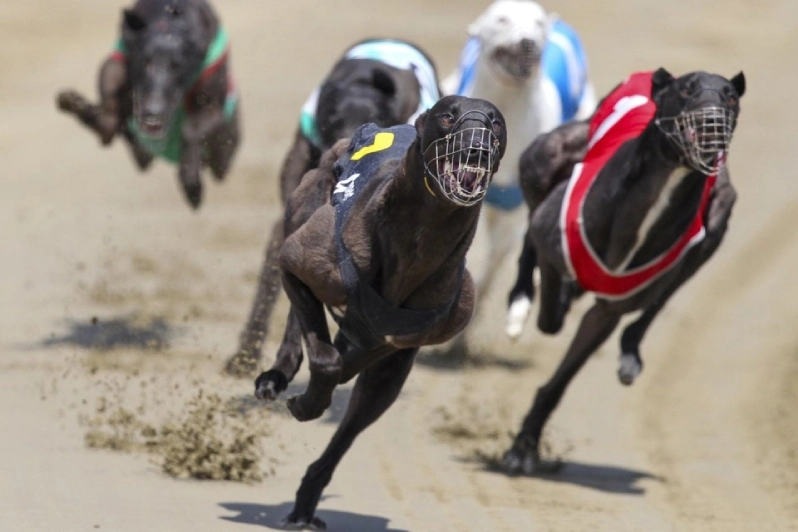
For decades, the stadium drew steady crowds. Many locals saw it as part of their weekly routine. The sport once had a firm grip on the community. But the world changed around it.
Interest in greyhound racing has dropped for a long time. Concerns about injuries, stress, and the fate of unwanted dogs pushed many people away from the industry. Welfare groups reported repeated cases of dogs being overworked or retired early.
Local officials and community leaders also started to question the purpose of keeping such tracks running. Attendance continued to fall. Families looked for kinder forms of entertainment.
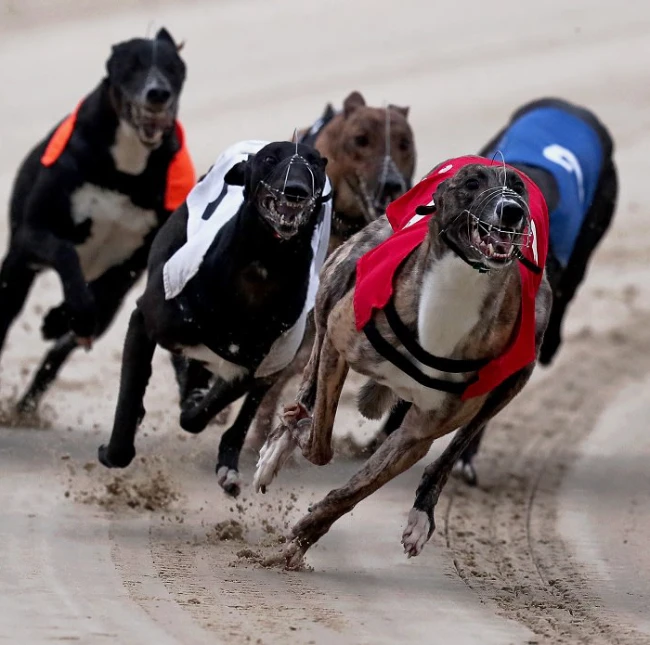
The closure does not mean the industry has stopped. The owners have shifted operations to a new track at Dunstall Park in Wolverhampton. It is a modern and costly project. It is planned to open soon.
This move shows that the racing business is trying to stay alive. But it also shows how much pressure the older venues faced.
Across the UK, similar closures tell the same story. Henlow Stadium shut down last year. Other local councils have spoken openly about concerns around racing.
Leaders in Wales have already signaled interest in phasing out the industry. Public opinion is changing fast. People see dogs as companions, not racing machines.
For the dogs, the pressure on the industry brings hope. Fewer active tracks mean fewer animals bred for competition. It means fewer injuries on crowded racing schedules. It means more chances for adoption. Rescue groups work nonstop to support retired dogs. A closed track lifts some of that weight.
This closure matters because it reflects a shift in values. It shows that people are willing to question traditions when animals are harmed. It shows that steady public pressure can guide industries toward better choices.
Perry Barr stood for nearly a century. Today it stands as proof that compassion can shape the future.
As awareness grows, more changes will follow. And more dogs will get the peaceful lives they deserve.