

Nearly 3,000 cows are trapped on a ship off the coast of Turkey. They have been stuck for over 50 days.
Heat, overcrowding, and limited food have made life unbearable. At least 48 cows have already died. Activists call it a shocking example of cruelty at sea.
What Happened
The Spiridon II, a Togo-flagged livestock ship, carried 2,901 cows from Uruguay to Turkey. When it arrived at Bandırma port in October 2025, authorities refused to let the animals disembark.
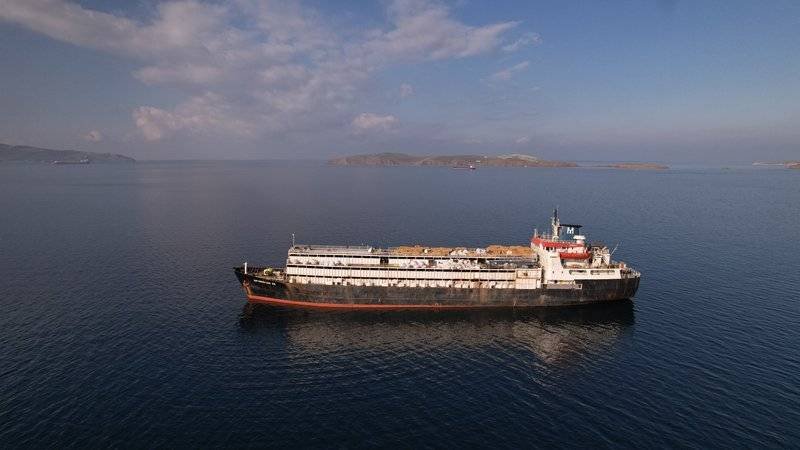
Around 469 cows lacked proper documentation and ear tags. Bureaucratic rules kept the entire shipment stranded at sea. The cows were forced to stay in crowded pens, unable to move freely or escape the harsh conditions.
Condition on Board
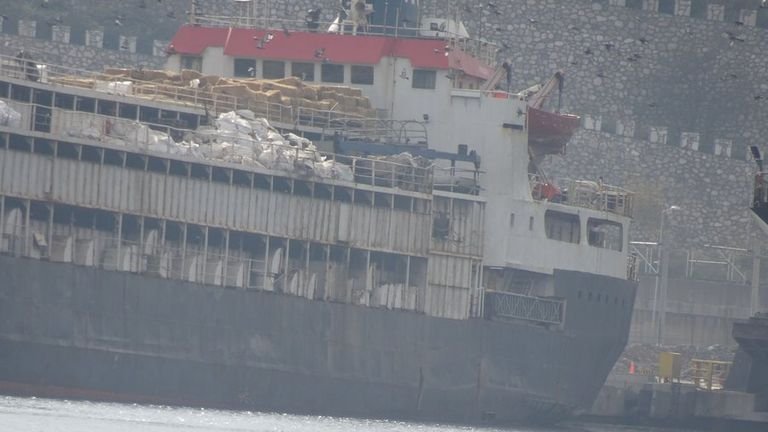
Life on board quickly became dire. Food and water ran low. Many cows lay in their own waste. The heat and stench made the environment unbearable.
Flies swarmed the pens. Surviving cows showed signs of fear and exhaustion. Each day increased the risk of disease, injury, and further deaths. The suffering was visible to both the crew and nearby residents.
NGO and Public Reaction
Animal welfare groups were outraged. Sin Voz Uruguay called the situation “cruel and irregular.” Activists said keeping sentient beings locked in cramped pens for weeks is unacceptable.
Public criticism spread online. Many condemned the bureaucracy that allowed the suffering to continue. NGOs are now demanding stricter regulations and a reconsideration of live-animal exports.
Live-animal export is controversial. Long sea journeys are stressful, dangerous, and often deadly. Cases like this are not isolated. Many ships carry animals under similar harsh conditions worldwide.
Critics argue that live exports prioritize profit over welfare. Humane alternatives, such as transporting meat instead of live animals, can prevent unnecessary suffering.
Call to Awareness
Imagine nearly 3,000 cows trapped helplessly at sea, their lives reduced to paperwork and profit margins. This disaster is a stark reminder that animals deserve care, not confinement.
Every delay, every bureaucratic decision, comes at the cost of sentient lives. It’s time to rethink how humans treat them in trade.