
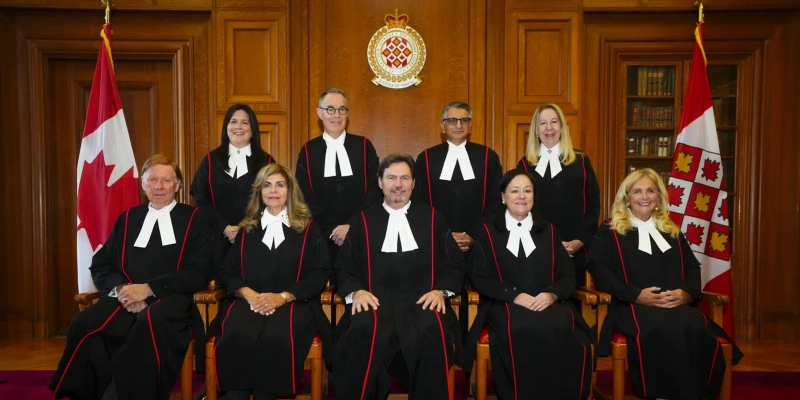
Canada’s highest court has taken a quiet but powerful step. The justices have replaced their long-standing mink-trimmed gowns with new, fur-free robes. It is a shift many Canadians did not expect, but one that reflects changing times.
A historic moment at the 150th anniversary
The new robes debuted on October 8, 2025. It was the ceremonial opening of the judicial year and the Court’s 150th anniversary. The timing gave the moment extra weight.
New design, new values
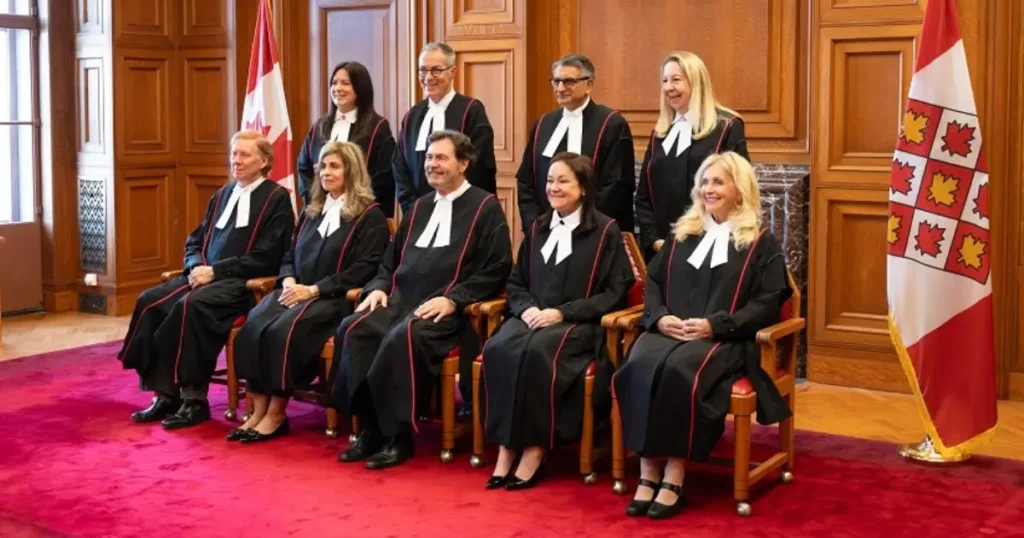
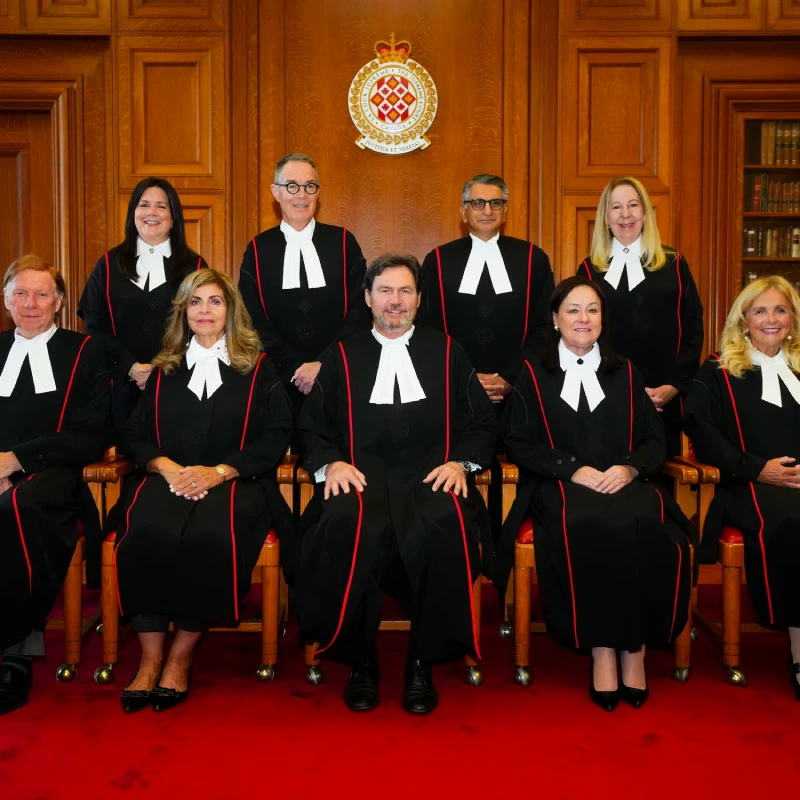
The new gowns are simple black robes with red piping. They use no fur or animal-derived materials. The design is modest, but it sends a clear message about modern Canadian identity.
Chief Justice Richard Wagner said the goal was a “modern and simple design.” His words highlight how institutions evolve. Even small details can show what a country chooses to stand for.
Made in Canada
The robes were produced entirely in Canada. Some were specifically made in Quebec. Keeping the work local added another layer of national pride.
This decision also moves the Court closer to ethical and sustainable sourcing. It reflects a growing trend in official garments across the country.
The end of Mink-Trimmed robes
The old mink-trimmed gowns were last worn on May 27, 2025. For years, they faced criticism from animal advocates. Many saw them as relics of another era.
Retiring the old robes closes a long chapter. It shows that tradition does not need to rely on animal suffering.
Animal groups welcome the change
Groups like The Fur-Bearers praised the decision. They called it a meaningful shift for an institution that sets national standards. Globally, activists have been pushing for similar changes in courts, police forces, and ceremonial bodies.
Canada now joins a growing list of countries rethinking old uniform practices. Each change adds pressure on others to follow.
A shift bigger than clothing
This update may look simple, but its impact runs deeper. It shows how values around animals and ethics are shaping even the highest levels of public life.
The move raises a bigger question. If the Supreme Court can rethink its traditions, who’s next?