
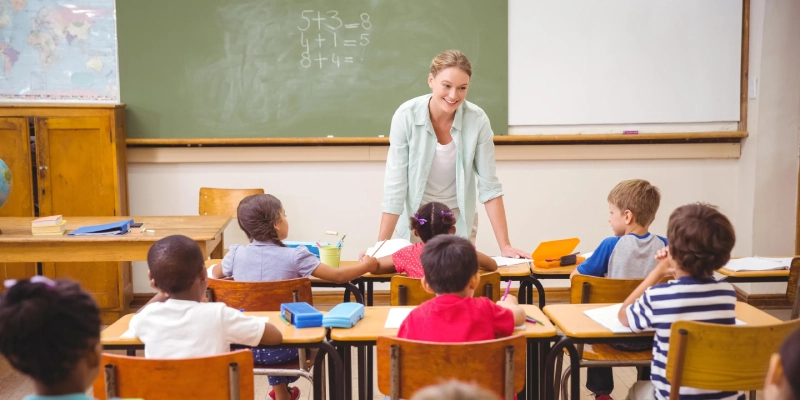
A Scottish school is facing criticism after assigning children a project that involved buying a lamb and selling its meat. Many parents were shocked. Animal advocates were even more disturbed.
The lesson, called the “meatbox challenge,” was meant to teach business skills. But the way it was taught raised serious ethical questions. It quickly became a national conversation.
What the Students Were Asked to Do
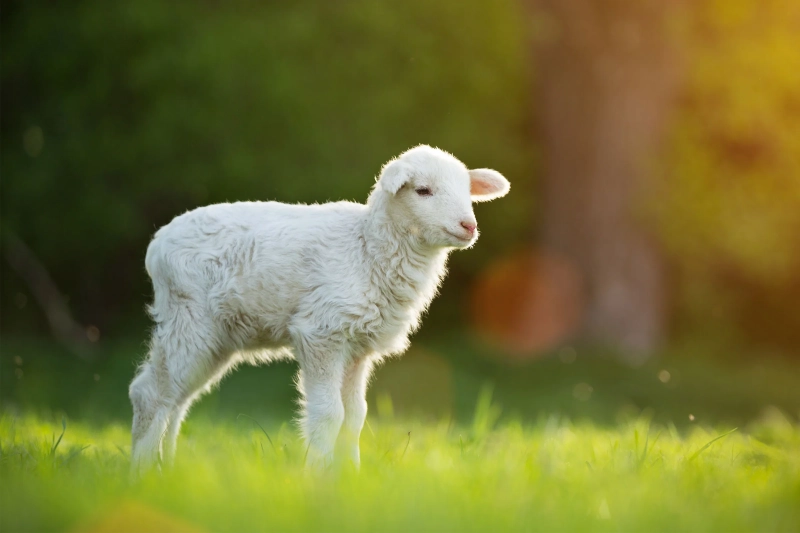
Students were asked to imagine buying a lamb. They calculated feed, shelter, market prices, and final profit. The lamb was treated like a product on a spreadsheet.
They also learned how its meat would be sold to a butcher. For many children, this was the first time they had to think about an animal’s life only in economic terms.
Why Critics Say This Lesson Is Harmful
PETA strongly condemned the project. The group said it teaches children to view animals as objects. They believe it can desensitize young minds.
Critics also warned that the lesson normalizes killing for profit. They argue that schools should not encourage children to disconnect from the suffering behind meat.

The Emotional Impact on Students
Reports say some students felt uneasy. Thinking about a lamb being raised and slaughtered was upsetting for them.
Experts note that children are naturally empathetic. Lessons like this can push them to suppress that empathy instead of nurturing it.
PETA’s Alternative: The “Plantbox Challenge”
PETA suggested a replacement. They want the school to teach business skills using plant-based foods instead.
In their version, students would create or grow plant-based products. They would learn about budgeting, marketing, and sustainability without harming animals.
Why This Debate Matters
Food education is rapidly changing. Many schools are reevaluating how they talk about farming and ethics.
This case raises a deeper question. What values do we want to pass on to the next generation?
The Bigger Picture for Animal Welfare
The story gained attention from vegan communities worldwide. Many see it as a sign that traditional lessons are out of step with today’s values.
There is growing demand for compassionate, modern education. More schools are exploring plant-based learning.
Conclusion
This controversy is more than a classroom issue. It shows how society is rethinking its relationship with animals.
Schools now have a chance to update their lessons. And children can learn business skills without leaving kindness behind.