

In a move that should bring relief to compassionate people everywhere, Scotbeef has shut down its historic Inverurie abattoir in Scotland.
This facility, which stood on North Street for nearly 100 years, was a place where countless animals met their end. Its closure marks a rare moment of silence in the long story of death and suffering that defines the global meat industry.
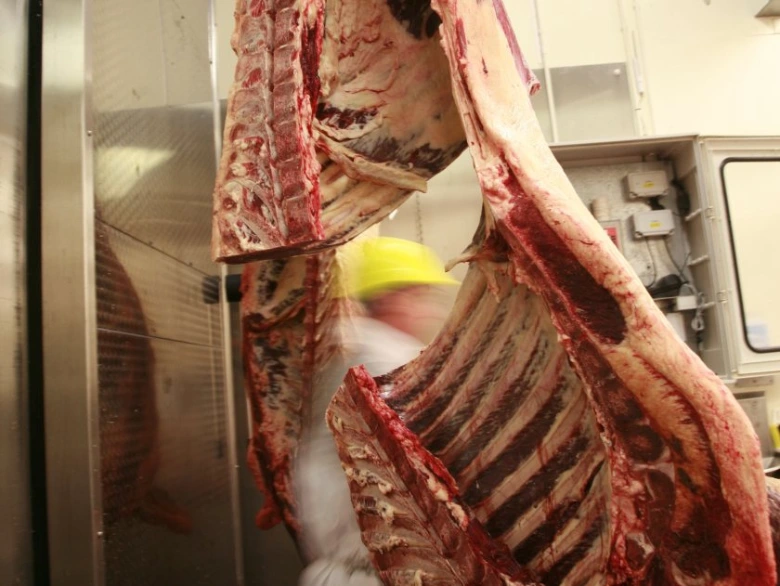
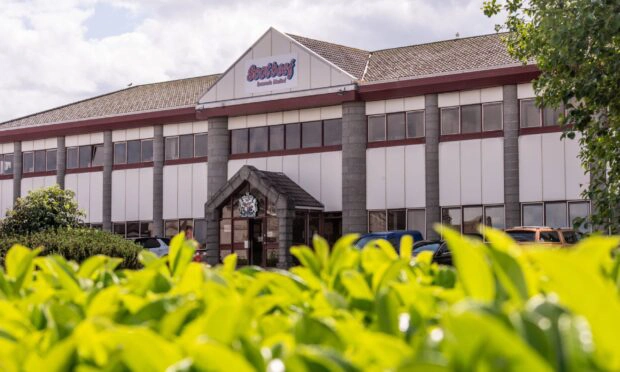
The ranching and slaughter complex was part of Scotbeef, a large UK meat processor. After a “comprehensive operational review,” company leaders announced they would permanently close the Inverurie site.
In an official statement, a Scotbeef spokesperson said, “Despite our best efforts to address the sustained challenges within the UK meat and beef industry over the past 18 months, we have unfortunately taken the difficult decision to close our Inverurie site.”
The company acknowledged the deep impact on workers and pledged to support them as redundancies proceed.
For the animals whose lives ended behind those walls for decades, this closure is an unambiguous good. Every shuttered slaughterhouse means fewer beings dragged from pasture, confined, and killed.
The silence now filling the Inverurie plant is a victory — small on the global scale, but meaningful for the individuals whose cries once filled its rooms.

This closure is also a sign of broader shifts in the meat industry. Over the past decades, small and regional slaughterhouses across the UK have been disappearing as rising costs, labor shortages, tightening regulations, and market pressures squeeze them out. Scotbeef’s shutdown adds to that trend.
Some coverage has focused on job losses and the economic impact on the community around Inverurie. That suffering is real and deserves empathy. But from an animal-rights perspective, this is still a moment to recognize progress — even if the road to compassionate food systems remains long.
For decades, activists and advocates have warned that the meat industry inflicts suffering not just on animals, but on workers, consumers, and the planet. Each shutdown of a facility built on killing is a reminder that the systems that once seemed unshakeable can change.
People are choosing plant-based foods in growing numbers, questioning the ethics of eating animals, and demanding kinder alternatives.
The closure of this 100-year-old slaughterhouse won’t end animal killing overnight. But it represents a step toward a world where fewer beings suffer for food. To many, especially to the animals whose lives were once ended there, this is a victory worth celebrating.