
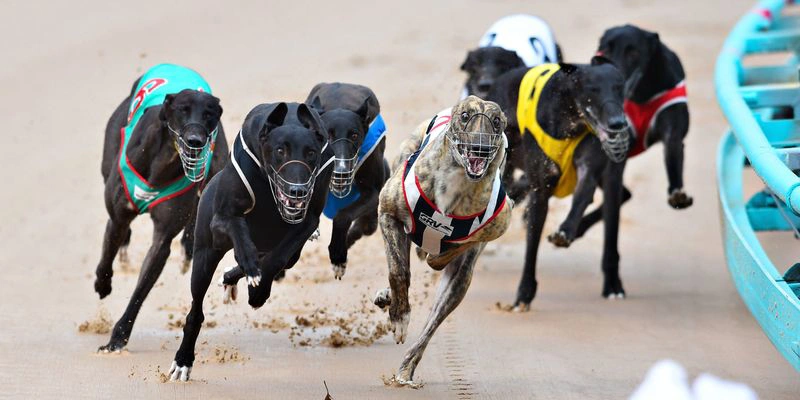
New Zealand has announced it will bring greyhound racing to an end, marking a major shift in how the country treats animals used for sport.
The decision was made after years of reviews showed that dogs continued to suffer injuries and deaths, despite repeated attempts to reform the industry.
The government said the risks to greyhounds remain too high. Officials concluded the sport can no longer be justified on animal welfare grounds.

Legislation to end greyhound racing will be fast-tracked through Parliament. The industry will be phased out over roughly 20 months. Commercial racing is expected to stop completely by mid-2026.
The government says acting quickly is necessary to prevent further harm to dogs during the transition.
Greyhound racing has been under scrutiny in New Zealand for more than a decade. Multiple official reports examined injury rates, track safety, and animal care practices. While some improvements were made, the core problem remained.
Dogs continued to suffer broken bones, severe injuries, and fatal accidents while racing.

Government ministers acknowledged that fewer dogs are dying than in the past. However, injury rates have stopped declining. Officials described this as unacceptable. They said tighter regulation has failed to fix a sport that is inherently dangerous for the animals involved.
The decision follows years of warnings to the racing industry. Trainers and operators were given repeated chances to improve welfare standards. Trust in the system weakened as the same issues continued to appear in review after review.
In the end, the government said the only responsible option was to shut the industry down.
Around 2,900 greyhounds are currently involved in racing across New Zealand. A transition committee has been created to manage the phase-out. Its main focus will be rehoming dogs once racing ends. The government says greyhounds can make gentle and loyal pets when given the chance.
Animal welfare organizations will work alongside officials to help place dogs in safe homes. Authorities also confirmed that greyhounds will not be allowed to be exported overseas to continue racing in other countries. The goal is to ensure the dogs’ lives improve, not simply move their suffering elsewhere.
Greyhound Racing New Zealand strongly opposed the decision. Industry leaders described it as devastating and said they had made real progress in animal care. They also raised concerns about the impact on workers. Around 1,000 people are believed to rely on the industry for employment.
The government acknowledged the economic impact but said animal welfare must come first. Ministers emphasized that the decision was based on evidence, not emotion or politics. They said protecting animals outweighed the continuation of a high-risk industry.
Animal advocates welcomed the announcement. Welfare groups called it a long-overdue step that puts dogs ahead of profit. They argue that greyhound racing is fundamentally unsafe and that no level of reform can eliminate the risks.
The move has political support across party lines. Public concern about animal cruelty in racing has grown steadily. Leaders had previously signaled openness to ending the sport, and the final decision reflects that shift in public values.
The ban also carries global significance. Greyhound racing still exists in parts of the United States and other countries. New Zealand’s decision adds pressure to reconsider the ethics of using animals for entertainment and gambling.
For advocates, this marks a turning point. New Zealand has chosen prevention over tradition. The country is closing the door on a sport built on animal risk. For thousands of greyhounds, it may mean the first real chance at a life beyond the track.