
Recent headlines suggest that Robert F. Kennedy Jr. wants to ban lab-grown meat in the United States. This has caused concern among vegans, animal advocates, and supporters of alternative proteins.
The claim is misleading. Kennedy has not announced a federal ban, nor has any law been signed to prohibit lab-grown meat nationwide.
Still, his public statements and policy priorities show strong opposition to the technology, and that could affect how it reaches the U.S. market.
For vegans and conscious eaters, understanding his stance is important.

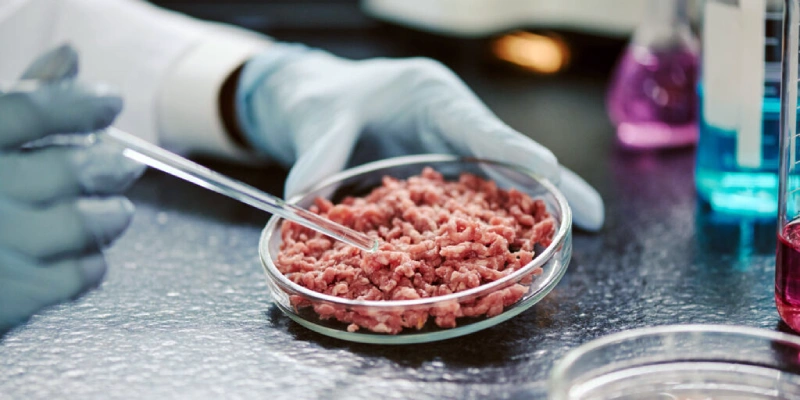
Lab-grown meat, also called cultivated meat, is made by growing animal cells in a controlled environment. Unlike traditional meat, no animals are raised or slaughtered.
The process aims to produce real meat while reducing animal suffering. Supporters also point to environmental benefits. Lab-grown meat uses less land and water and produces fewer greenhouse gases than conventional meat.
RELATED: Trump Administration Launches Federal Strike Force to Crack Down on Animal Abuse
The technology is still new in the market, with only a few products approved for limited sale in the United States. For many vegans, even if they do not plan to eat it, lab-grown meat represents a step away from animal exploitation.
Using strategies to position it as a healthy alternative for natural meat, the industry's fake meat is just another name for ultra-processed food, full of GE and pesticide-laden ingredients designed to look as much like meat as possible.https://t.co/iSr0ZiiFba
— Robert F. Kennedy Jr (@RobertKennedyJr) November 14, 2022
Robert F. Kennedy Jr. has been openly critical of lab-grown meat. He often describes it as synthetic and connects it to corporate control of the food system. He has questioned its safety and long-term health effects.
These views are consistent with his broader platform, which opposes ultra-processed foods and promotes natural diets. While he has not proposed a federal ban, his influence as U.S. Health and Human Services Secretary matters.
Policy direction, regulatory priorities, and public statements from top officials can affect how quickly or easily new food technologies reach consumers.
Even without a formal ban, regulation can act as a barrier. Kennedy has called for stricter FDA oversight for new food ingredients. Many companies currently use a pathway called GRAS, or “Generally Recognized as Safe,” to bring new products to market faster.
RFK Jr tells MSNBC that he intends to clear out entire departments of the FDA pic.twitter.com/MKdt5MT0tB
— Aaron Rupar (@atrupar) November 6, 2024
If this pathway is restricted, approvals could take longer, costs could rise, and smaller startups may struggle to survive. For lab-grown meat, tougher regulations could delay or prevent products from reaching stores.
In practice, this regulatory pressure could function like a ban without ever being labeled as one.
Some U.S. states have already moved to restrict lab-grown meat. Florida and Alabama, for example, have passed laws limiting its sale. These actions are driven by local politics and traditional agriculture interests rather than public demand.
Surveys show many Americans want the freedom to choose alternative protein products. State-level restrictions can reduce that choice and encourage similar measures elsewhere. Federal opposition, even without a formal ban, can reinforce these trends and slow innovation.
Why should vegans care? Many do not plan to eat lab-grown meat. That is understandable. However, the technology could significantly reduce the number of animals raised and killed for food.
Blocking alternative proteins protects conventional meat production and slows innovation in plant-based and other cruelty-free foods. For animal advocates and conscious eaters, staying informed about policy and regulation is critical.
These decisions shape the future of cruelty-free and sustainable food in the United States.
In summary, Robert F. Kennedy Jr. has not banned lab-grown meat at the federal level. No law currently prohibits it. Yet, his skepticism, public statements, and regulatory priorities could make it harder for alternative protein products to reach consumers.
Lab-grown meat remains a potential tool to reduce animal suffering and promote sustainability. For vegans, this is not just about one product. It is about the broader fight for a more compassionate and sustainable food system.
Watching how this debate unfolds is essential for anyone who cares about animal rights, the environment, and the future of food.