

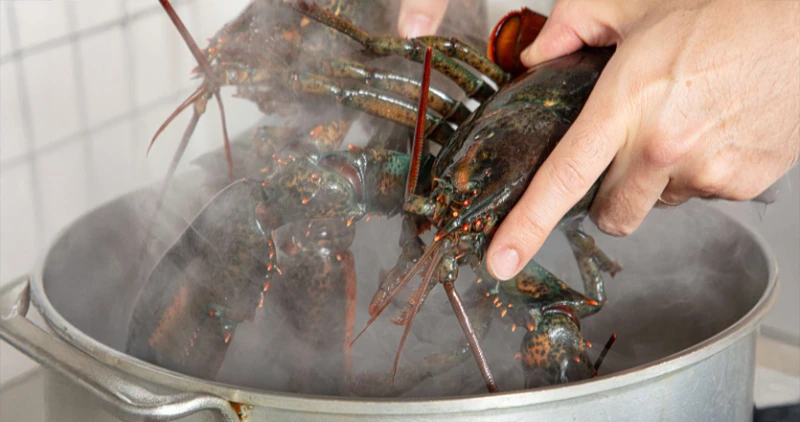
England is moving to ban the practice of boiling lobsters alive, marking a significant change in how marine animals are treated under the law.
The decision comes as part of a wider animal welfare crackdown announced by the UK government, which states that the practice causes unnecessary and avoidable suffering.
Under the proposed rules, lobsters and other crustaceans would have to be killed humanely before cooking. Methods that leave animals conscious during the process would be prohibited.
The government is expected to publish official guidance for restaurants, retailers, and food businesses in the coming months.
The move builds on a major legal shift made in 2022, when the UK formally recognized lobsters, crabs, and octopuses as sentient beings.
That recognition followed scientific reviews showing these animals are capable of feeling pain, experiencing stress, and responding to threats in ways consistent with suffering.
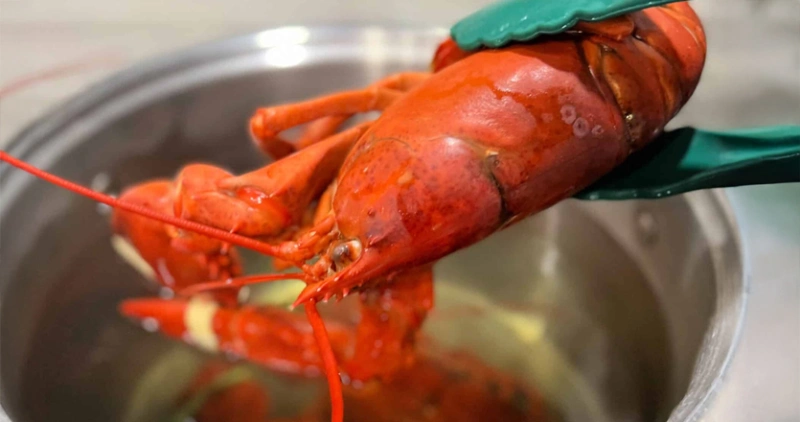
Animal-welfare organizations have long argued that boiling lobsters alive can cause intense pain lasting several minutes. Campaigners say the practice persisted not because it was humane, but because crustaceans were historically excluded from basic legal protections.
“This is about bringing the law in line with science,” one advocate said. “Just because suffering happens in kitchens and out of public view does not make it acceptable.”
The lobster ban is part of a broader reform package aimed at modernizing outdated animal-welfare laws.
Other proposals include phasing out cages for laying hens, reviewing the use of farrowing crates for pigs, cracking down on illegal puppy breeding, and tightening rules around hunting and fishing practices.
Not everyone supports the changes. Some politicians have criticized the lobster ban as unnecessary regulation, arguing it interferes with tradition and places added pressure on businesses. Others have dismissed the move as symbolic.
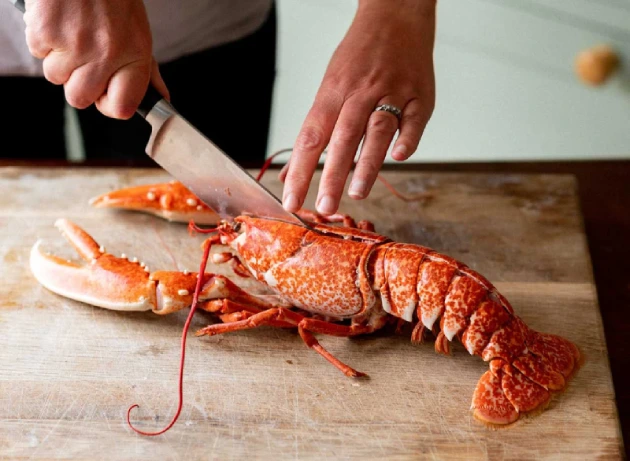
Animal advocates reject that framing. They point out that humane slaughter methods for crustaceans already exist and are widely used in other countries. Techniques such as electrical stunning or rapid mechanical destruction of the nervous system are designed to minimize pain.
Several nations, including Switzerland, Norway, and New Zealand, already restrict or ban boiling crustaceans alive. Supporters say England is simply aligning with international standards that recognize animals should not suffer for convenience.
While enforcement details and timelines have yet to be finalized, the direction is clear. Animals once dismissed as “just seafood” are increasingly being recognized as living beings capable of pain.
Activists say the ban does not end cruelty in the food system. But it draws a line. Some practices, long accepted, are no longer defensible. And that shift in thinking may extend far beyond lobsters.