
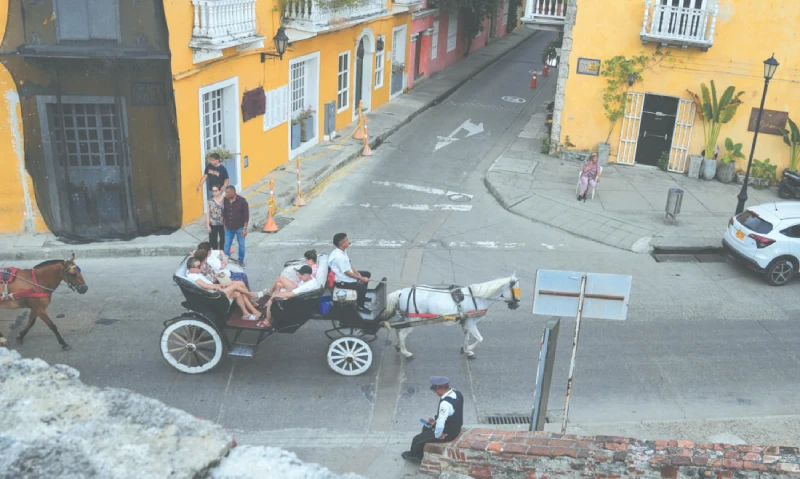
For decades, visitors strolling through Cartagena’s cobblestone streets were greeted by the familiar sight of horse-drawn carriages.
The slow rhythm, the clatter of hooves, and the old-world charm became part of the city’s tourist identity. But beneath that romantic image, concerns were growing.
Today, Cartagena is taking a different path by replacing horses with electric carriages, signaling a major shift in how historic cities balance tradition, tourism, and compassion.
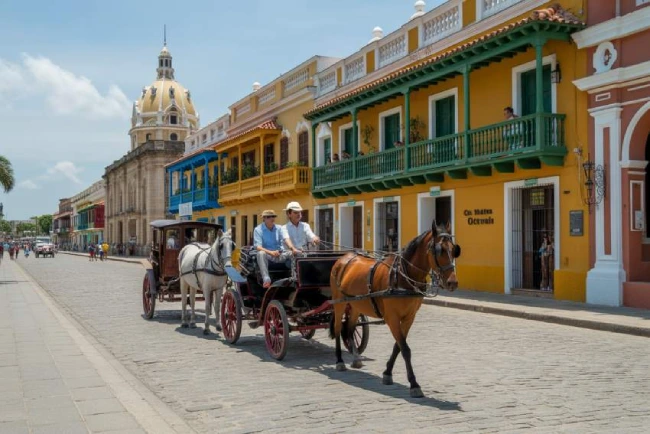
Horse-drawn carriages were once seen as harmless and picturesque. For tourists, they offered a nostalgic way to explore the city’s colonial architecture. For local drivers, they provided steady income in a tourism-driven economy. Over time, however, the reality of the work became harder to ignore.
Cartagena’s tropical heat, combined with paved streets and long working hours, placed serious strain on the horses. Animal welfare groups documented cases of exhaustion, injuries, and collapse. Videos and images circulated widely on social media, changing public perception.
What was once considered charming began to look increasingly outdated and cruel.
After years of public pressure and debate, city officials decided to act. Cartagena’s government issued a decree banning horse-drawn carriages from the historic center and introduced electric alternatives. The goal was not only to protect animals, but also to modernize tourism while preserving the city’s visual character.
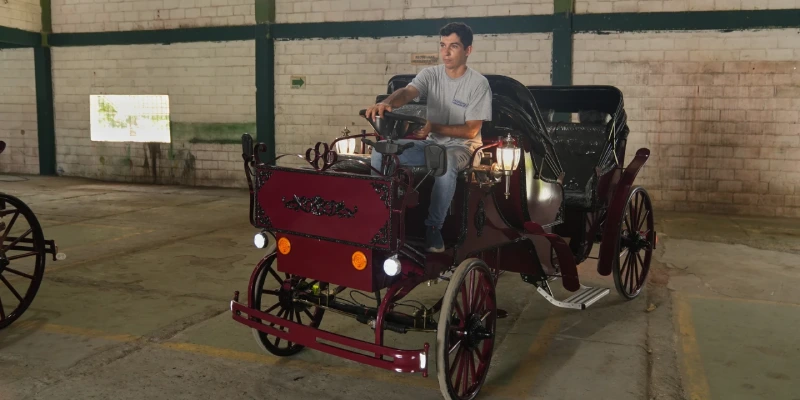
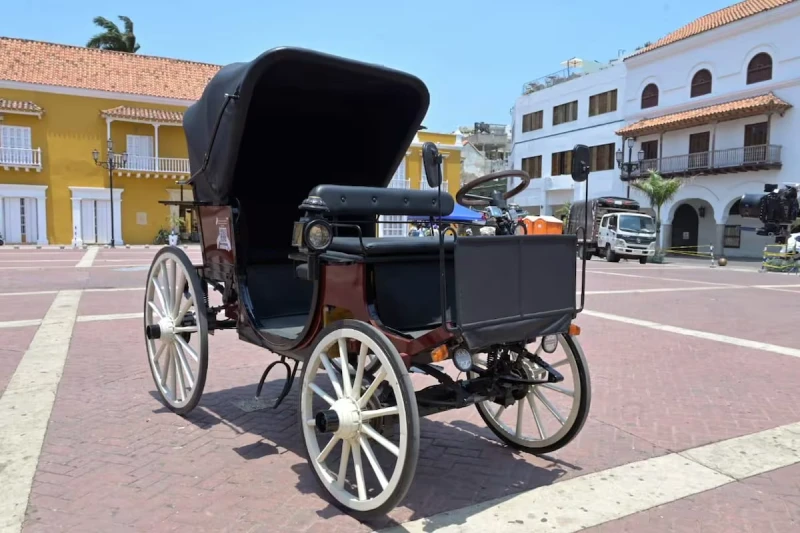
The electric carriages are designed to resemble the traditional buggies tourists recognize. They feature large wheels, open seating, and quiet battery-powered motors. Instead of reins, drivers use steering wheels.
The experience remains calm and scenic, but without forcing animals to work in harsh conditions. From an environmental standpoint, the vehicles also reduce waste and street pollution.
Reaction to the change has been mixed. Animal welfare advocates have celebrated the decision as a long-overdue victory. To them, Cartagena is finally acknowledging that animals should not be treated as tools for entertainment.
Many residents also see the move as progress, aligning the city with modern ethical standards.
Carriage owners and drivers, however, have raised serious concerns. For many families, this work represented generations of livelihood. Some argue the transition happened too quickly and without sufficient compensation.
The city has promised job opportunities operating the electric carriages, but tensions remain over ownership, income stability, and fairness.
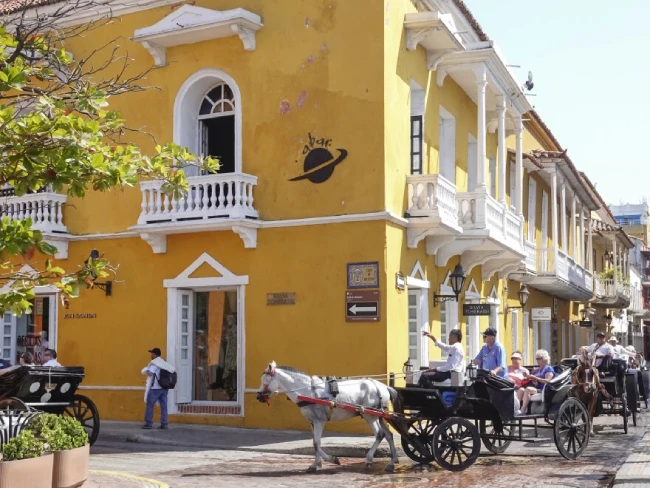
Another critical issue is the future of the horses themselves. Officials have stated that the animals will be retired, relocated, or cared for under new arrangements. Advocates stress that removing horses from the streets is only meaningful if their long-term welfare is ensured. The responsibility does not end with the ban.
For American audiences, Cartagena’s decision may feel familiar. Cities across the United States have faced similar debates over carriage horses, zoo animals, and animal-based attractions.
As travelers become more conscious of ethical tourism, destinations are being forced to adapt. Consumer values increasingly shape public policy.
Cartagena’s transition is not just about transportation. It reflects a broader global shift away from animal exploitation in tourism. While the change is imperfect and still unfolding, it marks a clear step toward a more humane future. Tradition matters, but compassion matters more.