

The world was stunned when a respected wildlife expert was sent to prison for extreme animal abuse. For years, this man was seen as a leader in crocodile research. He worked with universities. He appeared in documentaries.
He spoke publicly about conservation and protecting animals. Many people trusted him. That trust was deeply broken.
Behind the public image was a hidden reality. While he presented himself as a defender of wildlife, he was committing horrific acts against animals in private.

The case shocked not only Australia, where the crimes happened, but people around the world.
It forced many to confront a hard truth. A professional title does not equal moral character.
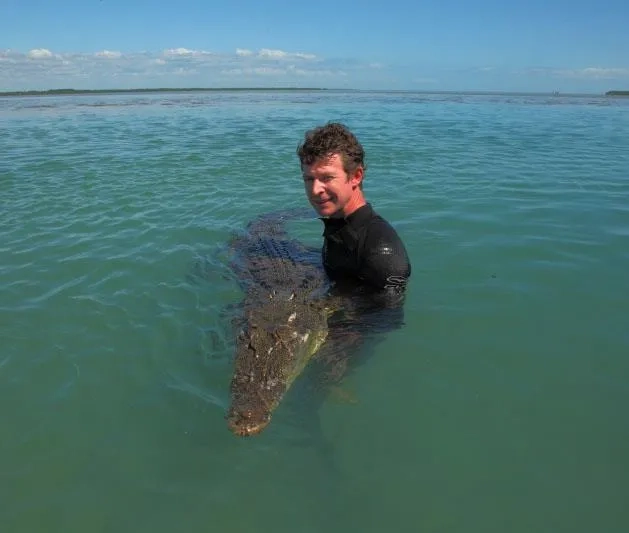
The man was well known in wildlife circles. He was considered an expert on crocodiles and animal behavior. He had worked on major media projects and academic research. His career gave him credibility.
People believed he cared about animals. That reputation made the crimes even more disturbing. No one expects someone with that background to cause harm on such a scale.
Over several years, the abuse took place at his remote property. Dogs were brought there under false reasons. Some owners believed their animals would be cared for or rehomed.
Instead, the dogs were subjected to extreme cruelty. Many did not survive. The abuse was not accidental or impulsive. It was planned. It was repeated. It continued for years without detection.
Authorities eventually became aware of the crimes after evidence was reported to police. Once investigators began looking deeper, the full scope became clear. The case involved dozens of animals.
The details were so disturbing that court officials warned people before hearing them. Even experienced legal professionals described the crimes as among the worst they had seen involving animals.
When the case reached court, the accused pleaded guilty. The judge made it clear that the actions showed calculated cruelty and a complete lack of empathy.
The court sentenced him to more than ten years in prison. He also received a lifetime ban on owning or working with animals. The sentence was backdated to his arrest.

During sentencing, the judge described the abuse as grotesque and deeply disturbing. The court recognized the suffering inflicted on innocent animals that had no way to escape.
The judge also noted that the crimes were not brief or isolated. They were carried out over a long period of time. That fact weighed heavily in the final decision.
Public reaction was swift and intense. Many people expressed anger and disbelief. Animal welfare groups called the case one of the most severe examples of cruelty they had encountered.
Some felt the sentence should have been longer. Others focused on how the abuse was allowed to continue for so long without being noticed.
The case also raised serious questions about animal protection laws. In many places, penalties for animal cruelty are still relatively weak compared to the harm caused.
Advocates argue that this case shows why stronger laws are needed. They point out that animal abuse is often linked to other forms of violence. Ignoring it can have broader consequences for society.
Another painful lesson from this case is how easily abuse can hide behind respectability. The man had credentials, awards, and public trust. None of that prevented him from committing acts of cruelty.
This shows why oversight matters. It also shows why people should listen when concerns are raised, even if the accused seems respected.
Animals depend on humans for care and protection. They cannot report abuse. They cannot defend themselves. When someone in a position of trust harms them, the responsibility falls on society to respond firmly.
Justice is not only about punishment. It is also about preventing future harm.
This case will remain a dark chapter in wildlife and animal welfare history. It serves as a reminder that compassion must be proven by actions, not words. Expertise means nothing without ethics.
Animals deserve safety, dignity, and protection. When those values are violated, accountability must follow.