
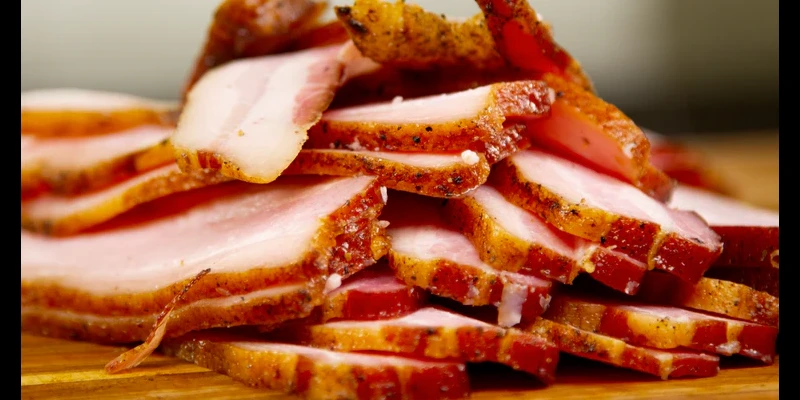
Bacon has always been a familiar part of breakfast. Crispy, salty, and hard to resist. But something is quietly changing. People are starting to look at it differently.
In the UK, supermarket data shows a clear shift. Sales of traditional nitrite-cured bacon dropped from about £257 million to £238.4 million in just 12 weeks. That is a 7.3 percent decline and nearly £18.7 million lost in a short time.
At the same time, another trend is rising. Bacon labeled “nitrite-free” is growing fast. Sales jumped more than 21 percent, reaching about £9.4 million.
So what is driving this change? It comes down to one word. Trust.
Nitrites are chemicals used to preserve bacon. They help prevent bacteria and keep that pink color people expect. But they have also raised concerns for years. When cooked or processed, nitrites can form compounds called nitrosamines, which are linked to cancer risk.

Back in 2015, the World Health Organization classified processed meat as a cancer risk. That includes bacon. At the time, many people ignored it. Now it seems to be catching up.
Shoppers are not panicking. They are not all giving up bacon. Instead, they are changing how they buy it. Many are choosing products with labels like “no added nitrites” or “no preservatives.”
This is part of a bigger shift. People are reading labels more. They want fewer additives. They want food that feels simple and natural. Many consumers now judge food quality based on how “natural” it looks and sounds.
Still, the debate is not settled. Food safety experts say nitrites play an important role in preventing harmful bacteria. Regulators also say the link to cancer is not fully conclusive.
That leaves consumers in the middle.
And they are making their own decisions.
This is not just about bacon. It is about how people think about food. What used to feel normal is now being questioned. What used to be trusted is now being examined.
People are not just changing what they eat.
They are changing what they believe is safe.