
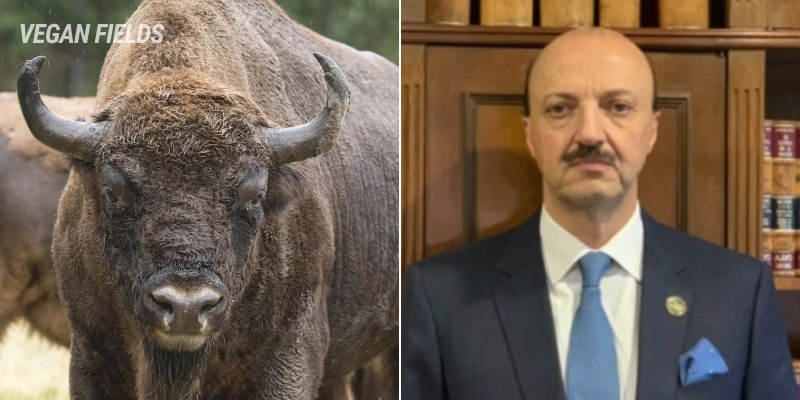
Mario Alberto Canales Najjar spent decades in the world of trophy hunting. He led the Mexican Hunting Federation. He traveled the world for big-game hunts.
But on a remote ranch in Argentina, the hunter became the victim. A charging buffalo ended his life in a violent and sudden attack.
The incident took place in Entre Ríos Province. It’s a rural area far from major cities. The hunting zone, called Punta Caballos, sits deep inside farmland. Cell service is weak. Ambulances cannot reach the area quickly. It is the kind of place where emergencies turn deadly fast.
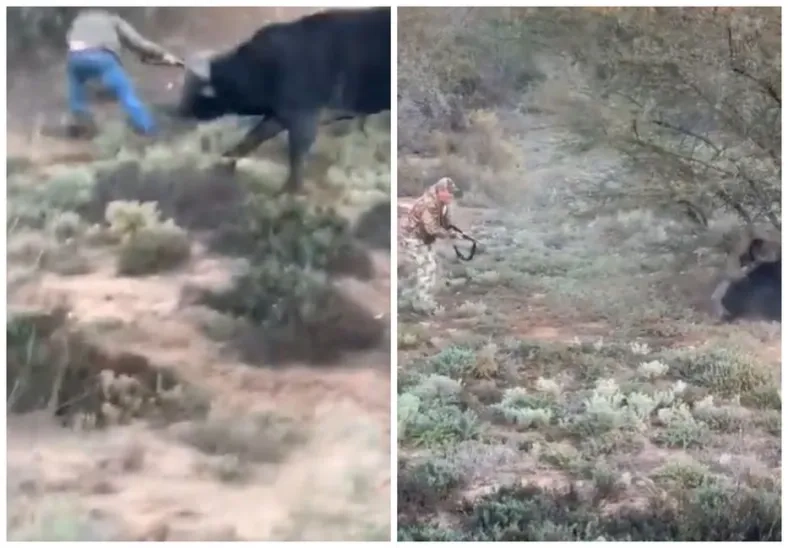
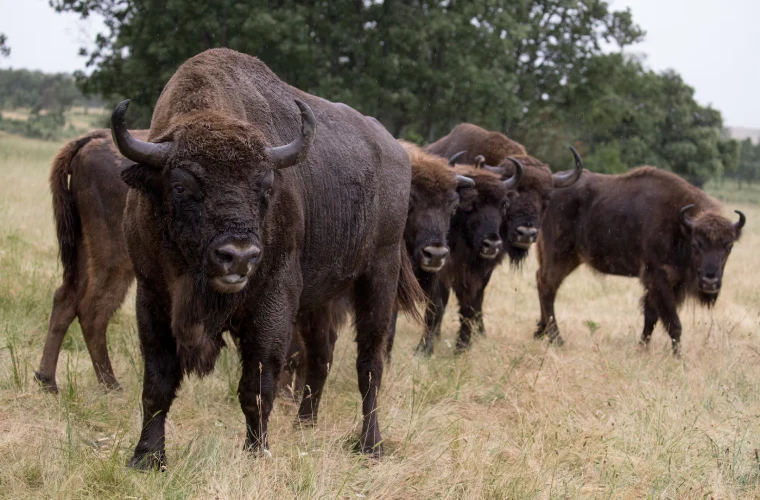
On October 7, Canales Najjar and two other hunters approached a large buffalo. The animal weighed more than a ton. The group said he fired a single shot at about 30 meters. But the buffalo did not fall.

Instead, it turned. It charged with full force. Its horns struck him, lifted him, and threw him to the ground. It kept attacking. The group’s guide fired several shots to stop the animal. But the damage was already done.
With no medical team nearby, the hunters loaded him into a private vehicle. They rushed toward the nearest hospital. The drive was long. By the time they arrived, he had no pulse. Doctors could not revive him. The autopsy found broken ribs, a fractured sternum, and massive internal bleeding. Injuries no one could survive without immediate trauma care.
Canales Najjar was well-known back home. He has served as president of the Mexican Hunting Federation since 2018. He had also led the Safari Club of Mexico and sat on national wildlife councils.
Supporters saw him as a defender of “sustainable use” of biodiversity. Critics viewed him as a champion of trophy hunting. His death sparked reaction on both sides.
After the attack, local authorities opened an investigation. They focused on the hunting company that organized the trip. Early reports suggest the group only had permits for small game, such as pigeons. If true, the buffalo hunt was not authorized.
Environmental groups in Argentina pressed prosecutors to look into possible illegal hunting activity. The case raised new questions about how private ranches run commercial hunting tours.
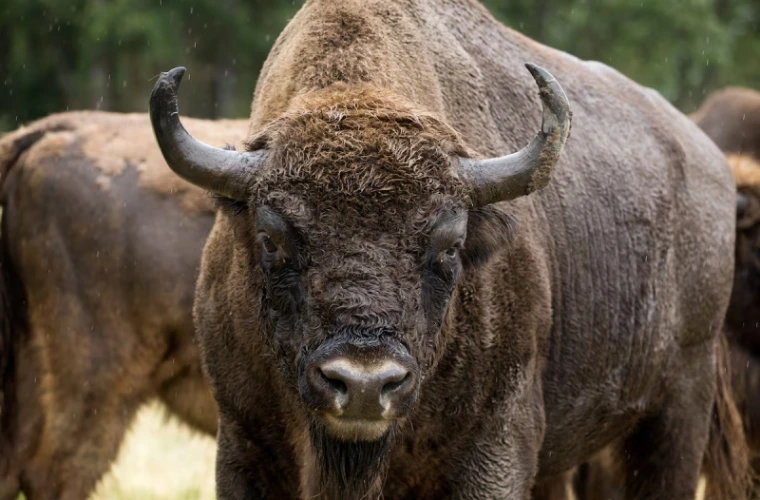
The tragedy also reignited debate over big-game hunting. Buffalo are powerful animals. Wounded ones are extremely dangerous. The risk is real, even for experienced hunters. Many in the US see stories like this and question the value of trophy hunts abroad, both ethically and environmentally.
In the end, the deadly encounter shows the harsh reality behind big-game hunting. It exposes gaps in regulation. And it reminds us that when humans walk into wild territory, the outcome is never guaranteed.