

Chile is taking a bold step for marine life. Lawmakers are pushing a new bill that would ban octopus farming before it ever begins in the country.
The proposal is gaining attention because it blends science, ethics, and environmental concerns into one clear message.
Chile should protect these animals and the ocean they depend on.
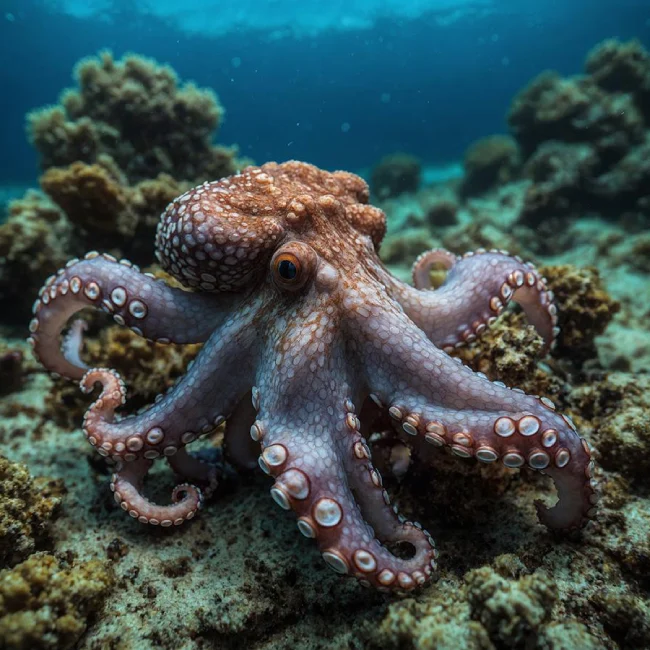
What the Bill Proposes
Bill 17913-12 aims to prohibit the establishment of octopus farms across Chile. Lawmakers moved the bill to the Environment and Natural Resources Committee, where it will face its next round of debate.
Supporters say the country must act now, while the industry is still at the planning stage. Once industrial operations take hold, the damage is harder to reverse.
Why Octopus Farming Raises Alarms
Scientists have spent years studying octopuses, and the evidence is consistent. They are highly intelligent. They feel pain. They solve puzzles. They can remember patterns and learn from experience.
This makes confinement especially harmful.
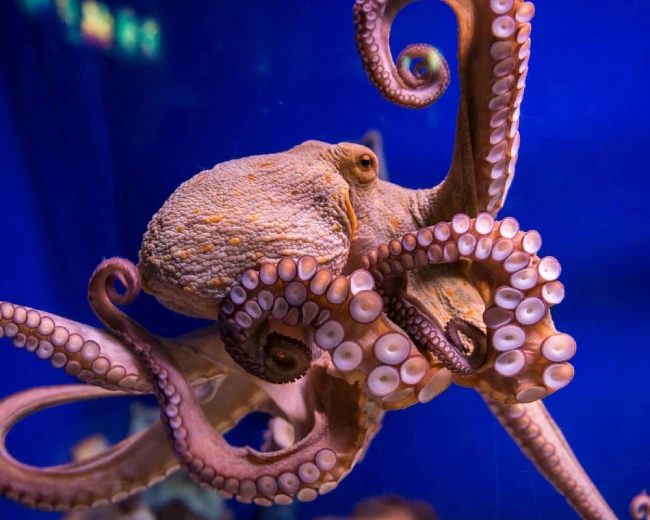
Farming trials in other countries reveal serious welfare problems. Research shows larval mortality rates can reach 96.6%. Adult mortality can exceed 50%, even under controlled conditions.
These numbers come from studies published in aquaculture and marine biology journals, including work by the Spanish Institute of Oceanography and independent cephalopod researchers.
Octopuses are also strict carnivores. They need large amounts of fish to survive. Farming them would increase pressure on wild fish stocks that are already struggling.
Aquaculture systems also rely heavily on antibiotics, which can contribute to the spread of antibiotic-resistant bacteria. Public-health experts have warned about this risk for years.
Voices Driving the Movement
Chilean aquatic veterinarians say the country has learned from past aquaculture failures. They reference the impacts of salmon farming — pollution, disease, and ecosystem damage — as clear warnings.
Local groups argue that Chile has a rare opportunity to prevent similar harm before it begins.
Activists also highlight the ethical side. They believe a nation that values marine ecosystems cannot ignore the suffering of sentient animals.
Environmental and Social Impacts
The bill also protects coastal communities. Reducing pressure on fish stocks supports long-term food security. Cleaner oceans mean healthier livelihoods for families who depend on them.
If Chile moves forward, it could set a global precedent. The world is watching to see whether the country will stand up for one of the ocean’s most complex and sensitive animals.