

Dutch authorities have taken a major step toward closing Tomassen Duck-To, the last duck slaughterhouse in the Netherlands.
The decision comes after a new investigation raised serious concerns about how the company operated. Officials now plan to deny essential permits and revoke the licenses the facility has relied on for years.
If the process moves forward, it could mark the end of commercial duck slaughter in the country.
Tomassen Duck-To has faced criticism for a long time. The company has been linked to repeated violations of environmental rules. It struggled to meet ammonia-emission standards that became stricter in recent years.
Inspectors also flagged the use of an unauthorized filtration system. It added to the list of compliance problems.
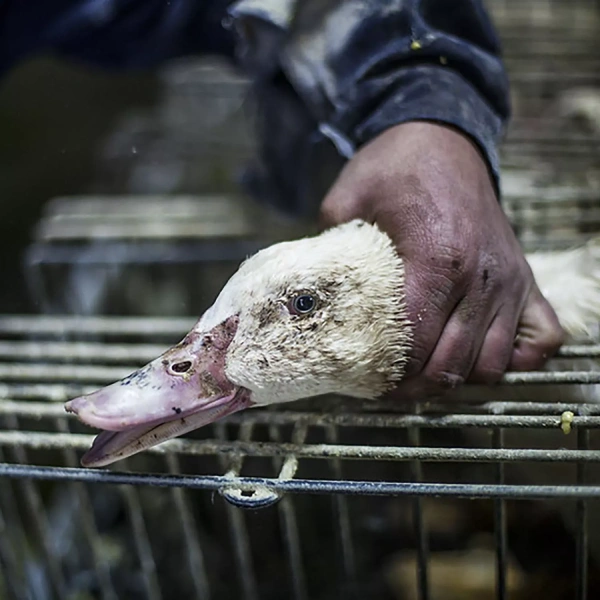
Animal groups have documented troubling welfare issues too. Their reports showed rough handling, stressful transport, and injuries during capture. For many, the facility symbolized deeper issues within the duck meat sector.
The turning point came with a review by the national bureau Bibob. The agency looks at criminal risks linked to business permits. Its assessment was clear. It found a serious danger that the company’s permits could be misused to support unlawful activity.
Based on this, the municipality of Ermelo announced its intention to deny new applications and withdraw current approvals. If the slaughterhouse continues to operate without valid permits, it could face significant fines under Dutch law.
Animal-rights groups welcomed the news. The group Animal Rights said the move could finally end the country’s duck industry. The Party for the Animals called the announcement a historic moment.
Activists pointed to years of footage showing ducks being mishandled on farms and during transport. Many said the planned closure is long overdue.
The process is not complete yet. Tomassen Duck-To has six weeks to file a formal objection. A final decision is expected by the end of the year. The company may still appeal, so the outcome is not guaranteed. Even so, the authorities’ move signals a major shift.
For many, this case shows how stronger oversight is shaping the future of farming in Europe. It highlights growing pressure on industries that fail to meet animal-welfare and environmental standards. And it offers hope for lasting change.