
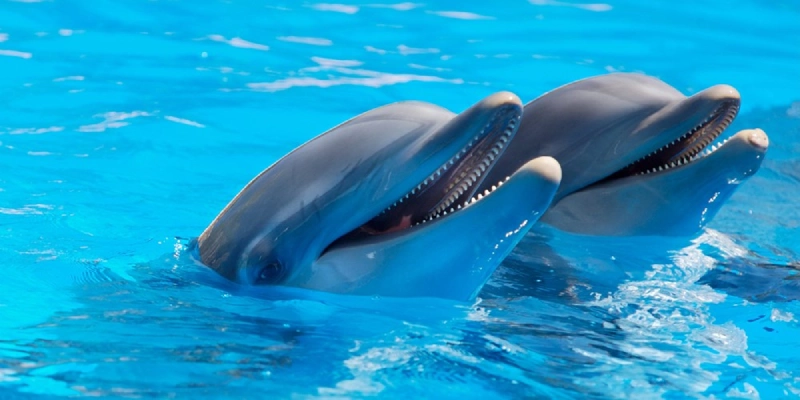
Italy is preparing to launch what officials describe as Europe’s first protected marine zone created specifically for dolphins that once lived in captivity.
The project marks a major shift in how Europe handles dolphins removed from marine parks and entertainment facilities.
The sanctuary is located in the Gulf of Taranto, along Italy’s southern coast. It sits near the small island of San Paolo, an area known for calm waters and limited shipping traffic.
Organizers say the location was chosen to reduce stress on the animals and provide a safer natural environment.
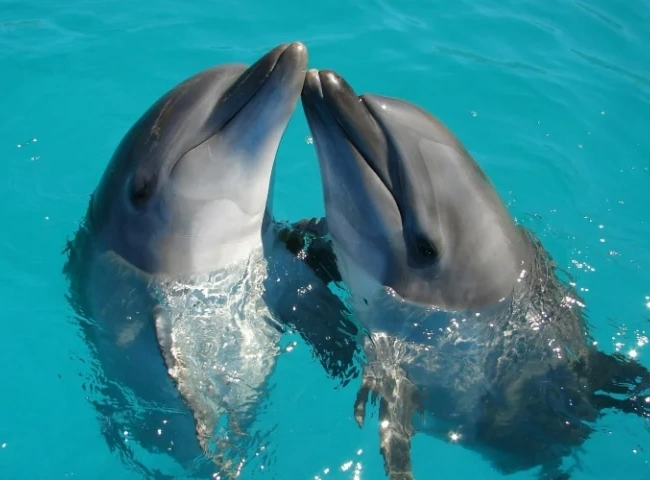
The project is nearly complete and now awaits final government approval. If approved, the first dolphins could be transferred to the site as early as next year.
The sanctuary is designed for dolphins that cannot survive in the wild. Many captive dolphins were born in tanks or spent decades performing in marine parks. Releasing them into open waters would likely lead to injury or death.
The new facility offers an alternative that moves away from concrete pools without forcing full release.
Unlike traditional aquariums, the sanctuary is located entirely in open seawater. Dolphins will live inside large netted enclosures anchored to the sea floor. The water is natural and constantly refreshed by ocean currents. There are no performances. No shows. No public entertainment.
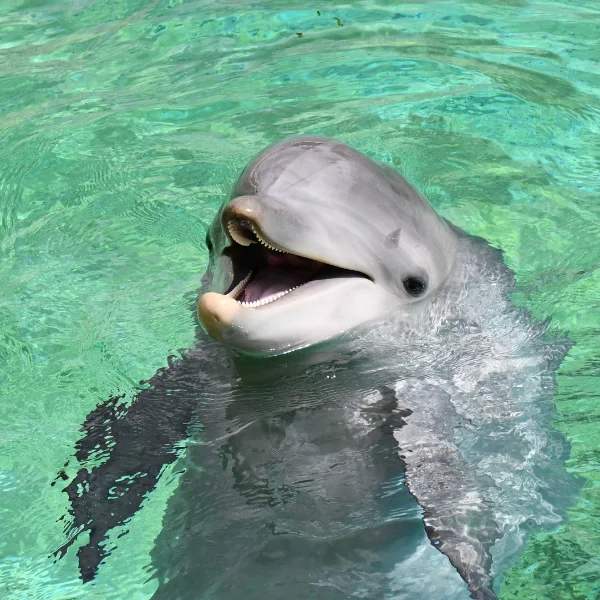
Staff will monitor the animals around the clock. The site includes medical facilities, feeding stations, and a floating research platform. Underwater cameras and sensors will track dolphin health, behavior, and water quality.
The sanctuary has legal approval to house up to 17 dolphins. However, organizers say they will begin with fewer animals. Each dolphin will be carefully selected based on health, age, and social compatibility. The focus is on long-term care, not rapid transfers.
The project is led by marine conservation organizations with support from public funding and private donors. Operating costs are expected to reach hundreds of thousands of euros each year. Organizers say those costs are necessary to meet strict welfare standards.
Across Europe, dolphin captivity has come under growing pressure. Several countries have banned the capture of wild dolphins. Others have restricted breeding programs. As marine parks close, governments face a difficult question. What happens to the animals already in tanks?
Animal welfare groups argue sanctuaries are the answer. They provide more space. More stimulation. And a life closer to natural conditions. Italy’s project is now being closely watched by other nations facing the same challenge.
France, for example, still has dozens of dolphins living in captivity. Advocacy groups say similar sanctuaries could reduce the need for long-term confinement in artificial pools.
Italian officials stress that the sanctuary is not a tourist attraction. Visitors will not be allowed inside the facility. The dolphins remain protected under national law, and human interaction will be limited to essential care.
Final approval is expected soon. Preparations are already in place. If successful, the sanctuary could become a model for dolphin welfare across Europe.
For conservationists, the project represents more than a single site. It signals a broader shift. One where marine animals are no longer performers, but protected beings with space, dignity, and time.