
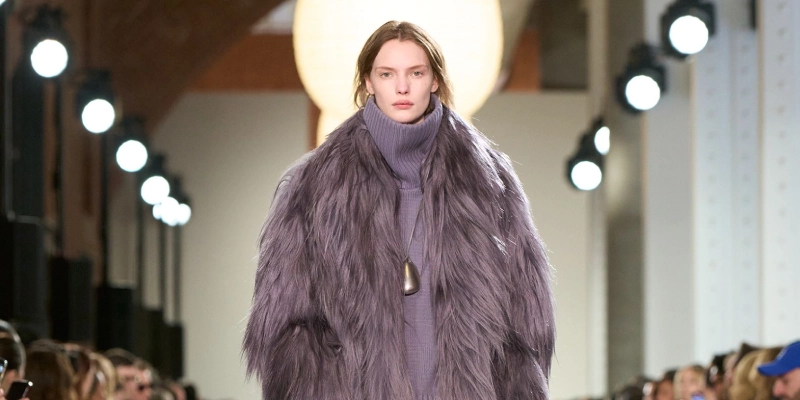
New York Fashion Week is stepping into a new era. The Council of Fashion Designers of America has confirmed that animal fur will no longer appear on the official NYFW schedule.
The rule takes effect in September 2026, in time for the Spring/Summer 2027 shows. It marks one of the biggest cultural shifts the event has made in years.
The policy is clear. Fur from animals killed specifically for their pelts is no longer allowed. That includes mink, fox, chinchilla, rabbit, karakul lamb, coyote, and raccoon dog. These are the species most tied to the fur trade.
The CFDA made one narrow exception. Pelts obtained through Indigenous subsistence hunting may still be used. The organization says that tradition, cultural heritage, and survival practices must be respected.
The ban does not cover everything that feels “fur-like.” Materials such as shearling fall into a different category. Skins and leather are separate issues that the CFDA may address in future conversations. For now, the focus is on eliminating fur from animals bred or trapped solely for fashion.
So why the change? The CFDA says the answer is simple. Consumer values are shifting. Younger buyers care about ethics as much as aesthetics. Many designers already left fur behind years ago. They chose lighter materials, responsible sourcing, and innovation over old traditions.
The new rule does not force the industry into unfamiliar territory. It gives a timeline and a standard to a shift that was already in motion.
There is also global pressure. London Fashion Week banned fur in 2018. Copenhagen followed in 2022. Major luxury houses made similar moves. New York’s decision places American fashion back in a leadership position.
It signals that creativity can grow without relying on outdated practices. It also puts pressure on Milan and Paris, where fur still appears on some runways.
For designers, the change will not be dramatic. Most major NYFW names had already removed fur from their collections. For emerging talent, this is a chance to explore new materials. The CFDA will offer guidance and a textile library to help them transition.
Many are already experimenting with recycled fibers, plant-based fabrics, and bio-engineered textiles that offer the same drama without the harm.
For American audiences, this moment matters. NYFW influences what buyers bring into stores. It shapes the conversation about taste, value, and responsibility. A fur-free runway sends a message that compassion belongs at the center of modern style.
This shift feels overdue. But it also feels hopeful. New York is proving that fashion can evolve, innovate, and still inspire. And that the most powerful statement on a runway can be a choice rooted in ethics, not excess.