
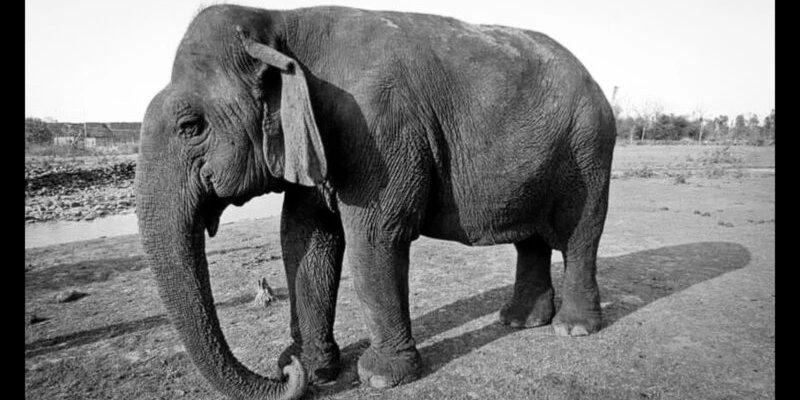
Vatsala, Asia’s oldest known elephant, passed away on July 2025. She was around 100 years old. Her death marks the end of an extraordinary life.
Vatsala lived at Panna Tiger Reserve in Madhya Pradesh, India. She was loved by forest staff and visitors alike.
Vatsala was born in the Nilambur forests of Kerala. She started life in the timber trade, hauling logs for humans. Life was tough. She faced long hours of work and little rest.
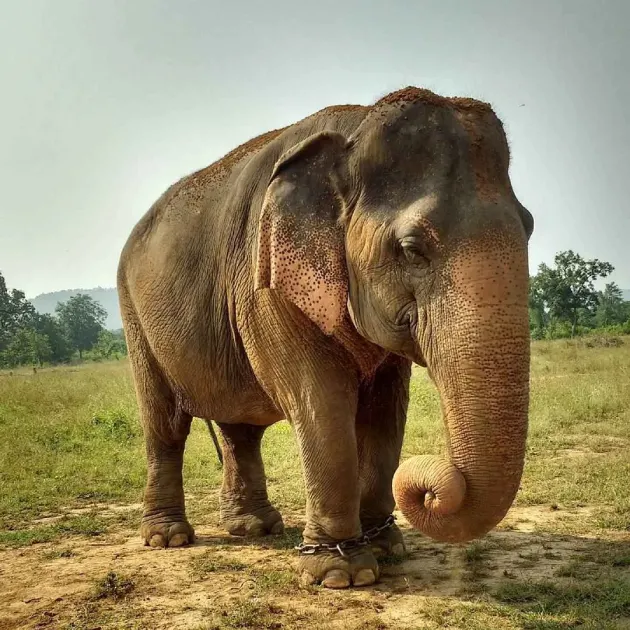
Despite hardships, she survived and became strong. Her early years were a testament to the resilience of elephants in human-dominated landscapes.
In 1972, Vatsala was moved to Madhya Pradesh. She joined what would later become the Panna Tiger Reserve.
By 1993, she was a long-term resident. Vatsala became more than just an elephant in the forest. She helped guide younger elephants. She worked alongside forest staff during patrols.
Visitors often saw her as a gentle, wise figure. People called her “Dadi”, meaning grandmother. Her presence brought comfort and joy to many.
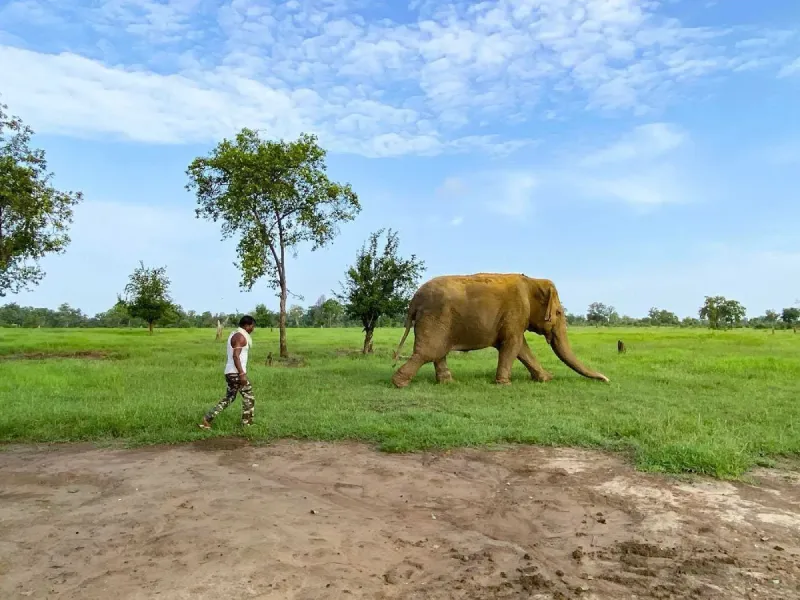
In her later years, Vatsala faced health challenges. She developed blindness and mobility problems.
Aging made life harder for her. Sadly, she slipped into a forest drain shortly before her death. Despite care from the staff, she could not be saved.
Vatsala was cremated at Hinauta Elephant Camp, a place she had called home for decades.
Vatsala’s life was extraordinary. Asian elephants rarely live beyond 60. Her 100-year lifespan was rare. She became a symbol of resilience, patience, and the deep bond between humans and elephants.
Her story reminds us of the importance of animal welfare. She showed the world how long-lived, intelligent, and sensitive elephants are.
Vatsala will be remembered forever. Her life inspires compassion for all animals. It urges us to protect elephants and other creatures from suffering. Her legacy continues in the hearts of everyone who knew her.