
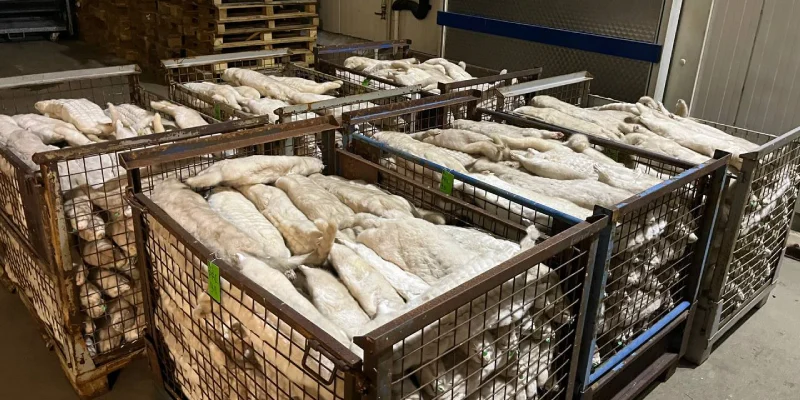
Poland has taken a historic step. The country has officially banned fur farming, marking one of the biggest shifts in Europe’s approach to animal welfare.
For American readers, this decision is more than a European story. It reflects a global change in how societies view animals, fashion, and the cost of cruelty. It also signals where the future of the fur industry is heading.
A Major Shift in Europe
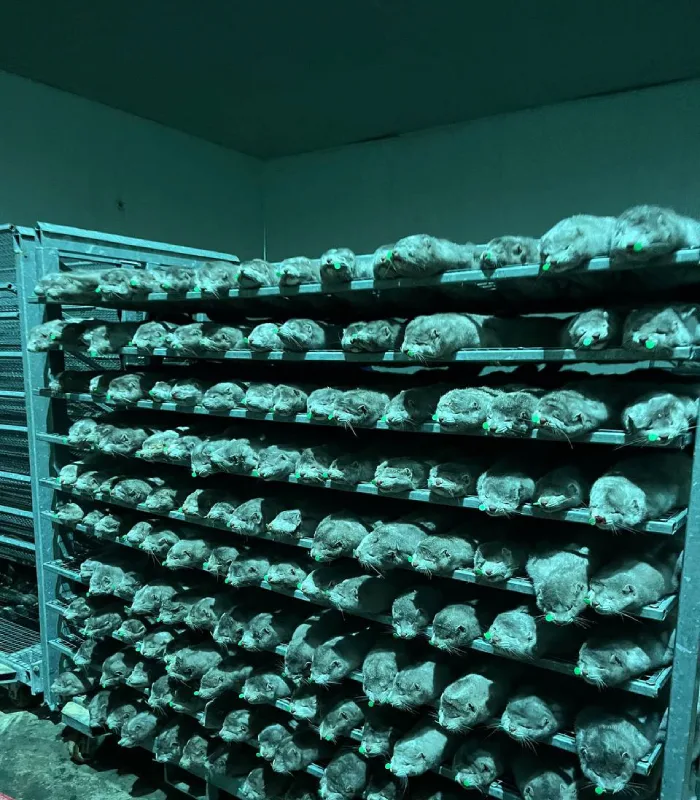
Poland was once one of the world’s largest fur producers. Millions of mink, foxes, and raccoon dogs were raised and killed each year for their pelts.
Now, Poland becomes the 18th European Union member state to outlaw fur farming. This move places the country beside a growing list of nations choosing ethics and public health over profit.
For Europe, it is a major cultural and political milestone. For the U.S., it offers a preview of where global legislation is trending.
What the New Law Does
The law sets strict new rules. No new fur farms can open, starting immediately. Existing farms must close by January 2034. This long phase-out period gives the industry time to transition, but it also means millions of animals remain at risk until the final shutdown.
The law includes a compensation plan. Farmers who close their operations early will receive higher payments. The goal is to encourage a faster end to the industry.
Why the Ban Happened
Animal Welfare
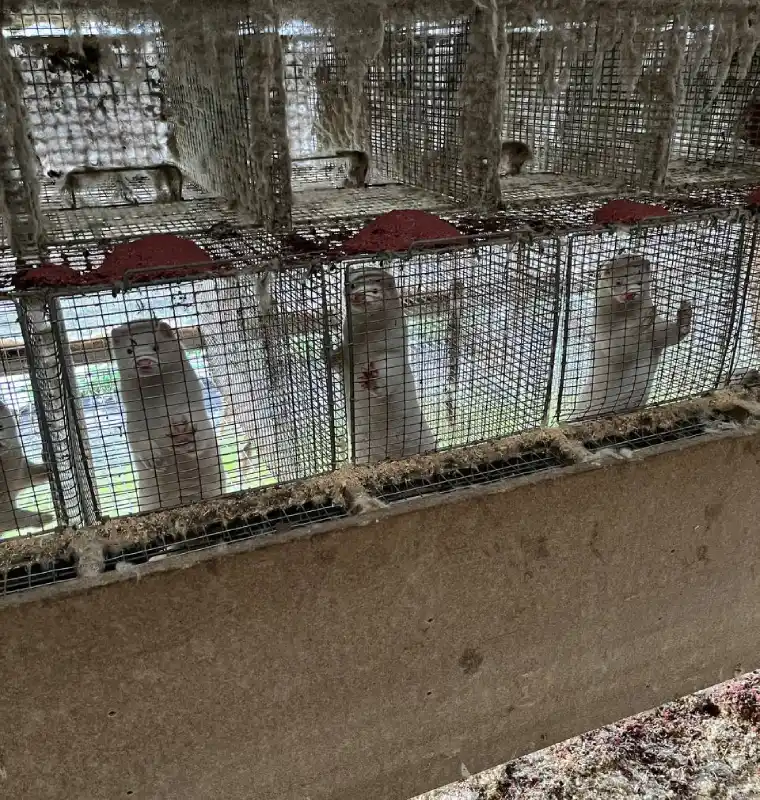
Animal welfare was the driving force behind the ban. Fur farms in Poland kept animals in small, wire cages. They could not run, dig, or express natural behavior. Many suffered stress, injuries, and untreated illness.
A recent European Food Safety Authority report confirmed that such farms cannot meet even basic welfare needs.
Public Health Risks
Public health also played a major role. Poland, like many other countries, saw outbreaks of COVID-19 on mink farms. Experts also documented cases of avian flu spreading among farmed animals.
These risks raised serious concerns about the industry’s ability to contain disease and protect workers and surrounding communities.
Environmental Impact
Fur farming is also a heavy burden on the environment. The carbon footprint of mink and fox fur is far higher than cotton, polyester, or acrylic. Waste, chemicals, and emissions all add to the impact.
Environmental groups have long argued that fur is not only cruel but also inefficient and harmful compared to modern alternatives.
Public Pressure
Public pressure made the ban possible. Polish citizens have been pushing for years to end fur farming. Petitions gathered tens of thousands of signatures.
Protests gained momentum. Lawmakers from different political parties eventually united to pass the ban, reflecting a clear shift in public values.
The Economic and Social Impact
The transition will not be simple. Poland had more than 200 fur farms. Thousands of workers relied on them. The government says compensation and support will help farmers adapt.
Still, the long timeline leaves room for resistance, delays, and debate. Enforcement will be key. Without proper oversight, illegal operations or unethical imports could undermine progress.
A Growing Global Movement
Europe is shaping the future of fur. With Poland’s decision, pressure increases for an EU-wide ban on fur farming and fur sales. That framework is already under review. For the U.S., this trend matters.
American fashion brands have already moved away from fur. States like California have banned fur sales. Poland’s decision adds momentum to a global shift that is hard to ignore.
Conclusion
Poland’s fur farming ban is a major step forward. It reflects a world waking up to the cost of cruelty, the risks to public health, and the environmental footprint of outdated industries. It is not just Poland’s story. It is part of a wider movement that is reshaping laws, consumer choices, and the future of fashion.