
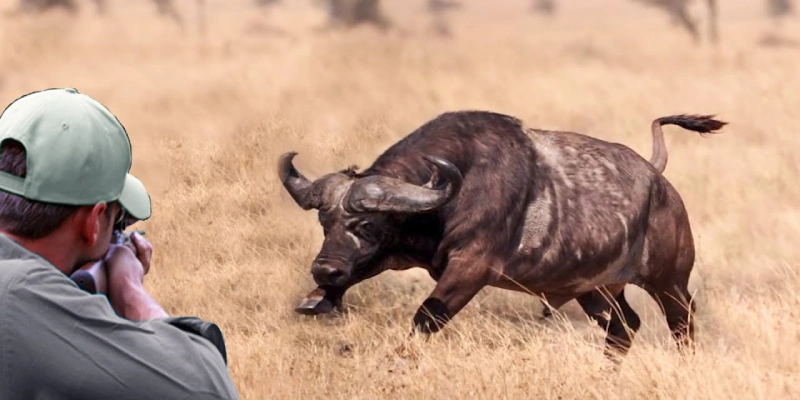
A Texas trophy hunter was killed in South Africa after a Cape buffalo charged during a guided hunt. The attack happened in Limpopo Province, a region known for big-game safaris.
The man had traveled from the United States for a multi-day hunting trip. What began as a routine outing turned into a deadly encounter within seconds.
According to the safari company, the group had been tracking a mature Cape buffalo when the animal suddenly charged.
The company claimed the buffalo was unwounded and showed no sign of distress before the attack.
The hunter was struck with enormous force. Guides called for help immediately, but it was too late. Police said officers found him inside an ambulance with no signs of life.
Authorities also found a buffalo carcass nearby. It is not yet clear when the animal was shot.
Police are still reviewing statements and evidence from the scene.
Early reports say the man suffered severe injuries to his stomach and torso. The safari company described the incident as quick and unpredictable.
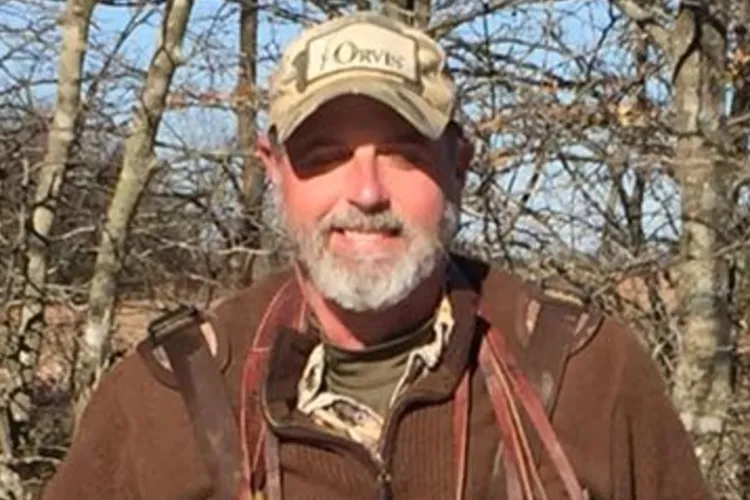
The hunter was a Texan who had traveled to South Africa specifically for a Cape buffalo hunt. Trips like this draw tourists from around the world. South Africa’s hunting industry brings in millions each year.
Many of those clients come from the United States.
They often spend tens of thousands of dollars for the chance to hunt animals considered dangerous or rare.
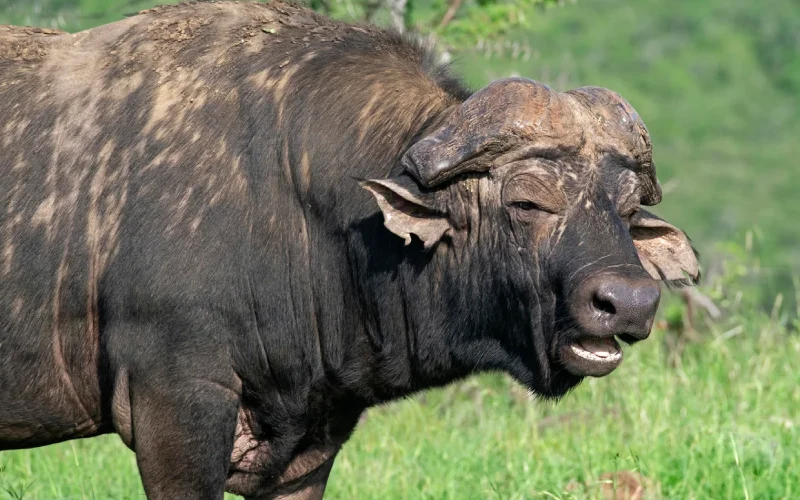
The Cape buffalo is known as one of the most feared animals in Africa. Adult males can weigh more than 1,500 pounds. They can run at high speeds. They are also unpredictable, especially when they feel threatened.
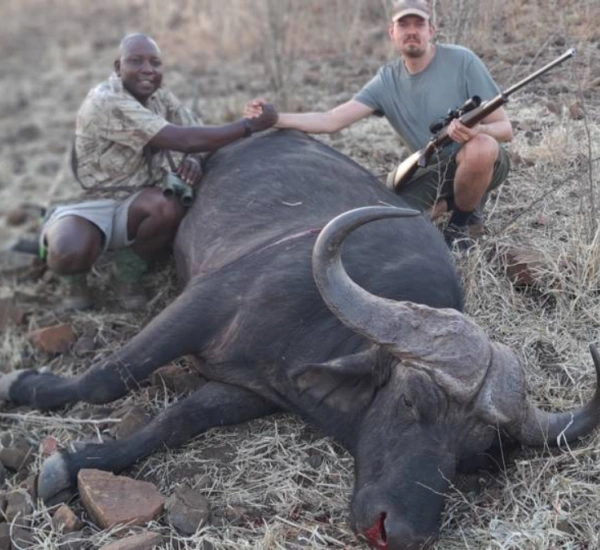
That combination makes them a prized target for trophy hunters and a major risk for anyone who approaches them. Even experienced hunters and guides acknowledge the danger.
The incident has sparked renewed discussion about trophy hunting. Supporters say it brings money to rural communities and helps fund conservation programs. Critics argue it causes suffering, fuels exploitation, and leads to preventable deaths.
Many people see this case as a reminder that wild animals do not behave on command, even in controlled hunting environments.
This tragedy underscores the risks built into big-game hunting. A single moment can change everything. Wild animals remain wild, no matter the setting.
For one Texan, a hunt meant to be a challenge ended in heartbreak for everyone involved.