
For years, trail hunting has existed in a legal gray area. That is now changing.
The UK government has announced plans to ban trail hunting and the use of snares in England and Wales. The proposal is part of a broader animal welfare strategy.
Supporters call it overdue. Critics call it unnecessary. At its core, the move raises a simple question. Should animal suffering still be protected by loopholes?
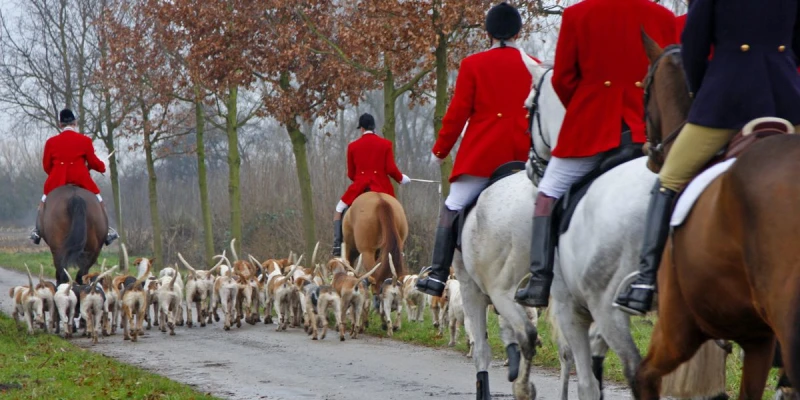
Trail hunting emerged after the 2004 Hunting Act banned fox hunting with dogs. Instead of pursuing live animals, hunts claimed to follow a pre-laid scent. Often made from animal material.

In theory, no animal was chased. In reality, enforcement was weak and oversight limited.
Animal welfare groups have long argued that trail hunting became a cover for illegal hunting. Investigations documented hounds straying from trails. Foxes flushed from hiding.
Animals injured or killed while hunts denied responsibility. The gap between the law and real-world practice grew impossible to ignore.
Snares have raised similar concerns. Though legal in some settings, they have been widely criticized as inhumane. Animals caught in snares can suffer for hours or days. Many are not the intended targets.
Pets and protected wildlife have also been trapped and killed. Campaigners say the method is outdated and cruel.

The government now says both practices undermine animal welfare. Officials argue that banning them will close loopholes and strengthen existing protections. The strategy reflects growing public pressure and years of advocacy from charities, veterinarians, and wildlife experts.
Animal rights groups welcomed the announcement. They say it sends a clear message. Cruelty should not be disguised as sport or pest control. Laws should reflect modern ethics and scientific understanding. For many advocates, the proposal is not radical. It is a correction.
Opposition has been swift. Hunting groups and some rural organizations argue that trail hunting is a lawful tradition. They warn of economic impacts on countryside communities. Others claim better enforcement, not bans, is the answer.
Critics of that view point to the record. If enforcement alone worked, these practices would not remain controversial. Repeated violations suggest the system failed. Loopholes were not accidental. They were exploited.
This moment matters beyond the UK. Around the world, governments are reexamining practices once defended by tradition. Public values are shifting. Animal welfare is increasingly seen as a public responsibility, not a fringe concern.
Details of the bans are still being developed. That process will matter. Clear definitions. Strong penalties. Real oversight. Without them, new loopholes could emerge.
For animals, the stakes are high. For lawmakers, so is credibility. Ending trail hunting and snares would mark a step forward. Not the final one. But a meaningful one.