
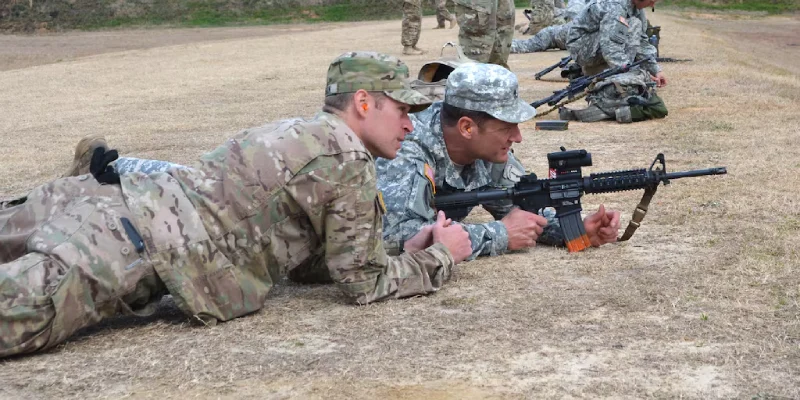
The U.S. military is preparing to end a long-used training practice. Combat medics will no longer train by shooting live pigs and goats.
The change comes through Congress, not the Pentagon alone. It is written into the 2025 National Defense Authorization Act.
For decades, the military used live animals in trauma training. Pigs and goats were shot to create battlefield-like wounds. Medics then practiced emergency care under pressure.
Supporters believed this was the most realistic way to prepare for war injuries.
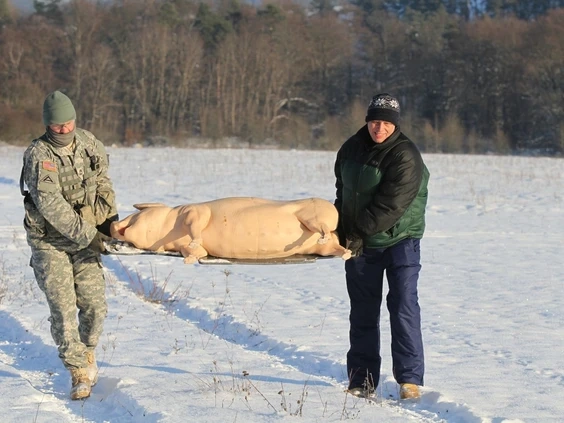
That belief is now being challenged by lawmakers. Congress says the practice is outdated. New medical simulation tools are now widely available.
Lawmakers argue that these tools better reflect human anatomy and injuries.
The new law bans only one specific practice. The military will stop live fire exercises on animals for medic training. It does not ban all animal use.
Other forms of animal testing and training are still allowed. These include procedures such as cutting, burning, or blunt trauma. In many cases, animals are anesthetized during these exercises.
The bill says:
Beginning on the date of the enactment of this Act, the Secretary of Defense shall—
(1) ensure that live animals, including dogs, cats, nonhuman primates, and marine mammals, are not used in any live fire trauma training conducted by the Department of Defense; and
(2) in conducting such training, replace such live animals, to the extent determined necessary by the Secretary, with advanced simulators, mannequins, cadavers, or actors.
Animal welfare groups have pushed for this change for years. They argue that shooting animals causes unnecessary suffering. They also claim modern simulators are more effective.
These groups say human-based training improves skills without ethical costs.
Rep. Vern Buchanan of Florida played a key role. He is co-chair of the Congressional Animal Protection Caucus. Buchanan called the change a major step forward. He said the military should use the best tools available.

In his view, those tools no longer require shooting animals.
Medical simulation technology has advanced quickly. High-tech mannequins can bleed, breathe, and respond to treatment. Human volunteers can wear cut suits that mimic traumatic injuries.
Trainers can control blood loss, heart rate, and shock. Supporters say this creates a safer and more accurate learning environment.
Some military trainers have defended live tissue training in the past. They argue that real tissue reacts in ways machines cannot fully copy. They also stress the emotional pressure of treating a living being. However, the new law reflects a shift in confidence toward technology.
This decision did not happen overnight. Congress passed earlier laws in 2013 and 2018. Those laws pushed the Pentagon to reduce animal use when possible. The new measure goes further. It is the first time lawmakers have clearly banned shooting animals for medic training.
The Pentagon will now adjust its programs. Training methods will continue, but with different tools. Officials say the goal remains the same. Medics must be ready to save lives in combat.
This change reflects a broader trend. The military is modernizing how it trains. Ethical concerns and technology are shaping policy together. The debate may continue, but the direction is clear. Live animal shooting in medic training is coming to an end.